Wondering if buying a rental property in Lakewood Ranch is a smart move? You are not alone. Many buyers are drawn to this area for its convenience, broad housing mix, and appeal to both long-term residents and seasonal renters. If you are thinking about investing here, the key is knowing how village rules, lease terms, and local costs can shape your results. Let’s dive in.
Why Lakewood Ranch Gets Renter Attention
Lakewood Ranch was designed as a master-planned community with daily life in mind. According to the community’s official information, it combines homes with retail, restaurants, businesses, recreation, and natural habitat. That kind of built-in convenience can make a rental property more appealing to tenants who want easy access to everyday needs.
The community also includes three town centers, 20 business districts, 13 neighborhood shopping plazas, 13 parks, and more than 150 miles of trails. It also has close access to I-75, Tampa, Sarasota, beaches, University Town Center, and airports. For you as an investor, those features matter because they help explain why renters may see Lakewood Ranch as a practical place to live or stay seasonally.
Lakewood Ranch also highlights nearby healthcare and a wide range of educational campuses as part of the area’s appeal. From a rental standpoint, that can support interest from renters looking for convenience and longer stays. The bigger point is simple: this is not a one-note community, which can give you more than one type of rental audience to consider.
Rental Property Types to Consider
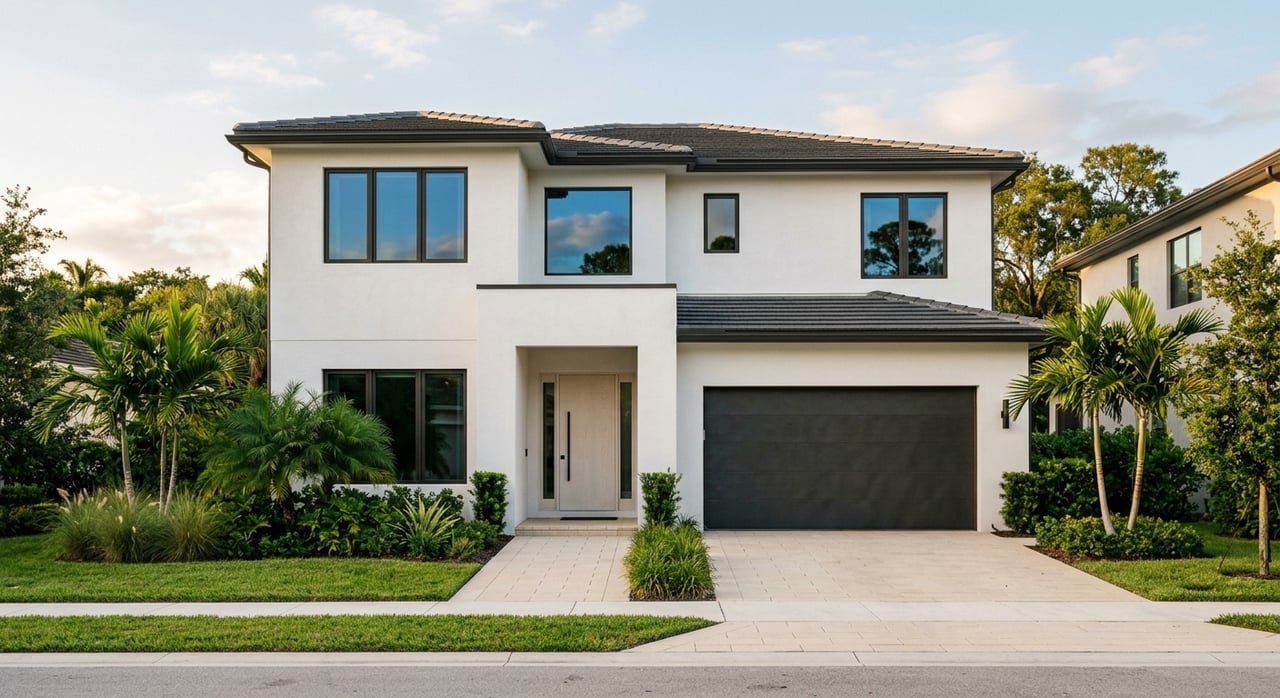
One of the strengths of buying in Lakewood Ranch is the wide range of property types. Official community materials show condos, townhomes, attached villas, paired villas, and single-family homes, along with villages that may include amenities like clubhouses, pools, golf, tennis, or pickleball. That variety gives you flexibility based on your budget, goals, and how hands-on you want to be.
Current community information says homes range from condos and townhomes in the high $200s, attached villas in the high $300s, and single-family homes from the $400s. The village matrix adds that pricing can extend to $3 million or more for custom and luxury homes. Since pricing and amenities can change, treat those numbers as a general guide rather than a fixed rule.
Condos and Townhomes
Condos and townhomes can be attractive if you want a lower entry point or a more maintenance-light setup. For part-time owners or seasonal buyers, that can make ownership simpler. These property types may also line up well with renters who value convenience and shared amenities.
Villas and Paired Homes
Villas often offer a middle ground between a condo and a detached home. You may get easier upkeep than a larger single-family property while still offering tenants more space and privacy. If you are buying from out of state or planning limited personal oversight, this category may deserve a closer look.
Single-Family Homes
Single-family homes may fit better if your plan is to target longer lease terms. They can appeal to renters who want more indoor and outdoor space. They may also come with a higher purchase price and potentially more maintenance responsibility, so your expense model needs to be realistic.
Know the Lease Rules First
Before you get too far into the numbers, make sure the property can actually be rented the way you intend. Lakewood Ranch states that rentals in the community include apartments, townhomes, and single-family rentals. It also notes that traditional rental neighborhoods often start with 7-month leases, while most short-term or seasonal rentals are private homes rented through property management companies, with a minimum rental period of 30 days and longer minimums in many villages.
That means your investment strategy should start with one question: What is the minimum lease term in this specific village? A property that looks perfect for seasonal income may not work if the village requires a longer rental period. On the other hand, a home suited for an annual lease may be a strong fit if your goal is steadier occupancy.
Review Village Documents Carefully
Lakewood Ranch HOA governance is document-driven. The HOA site posts restrictive covenants and governing documents for review. That makes it important to check the exact village rules before you assume rentals are allowed, uncapped, or flexible on timing.
This is one of the biggest due diligence steps for any investor in Lakewood Ranch. Two homes with similar price points can have very different rental potential based on the governing documents. If you skip this step, your income plan could fall apart after closing.
Understand HOA and District Costs
Every Lakewood Ranch village has HOA fees. The official FAQ says those fees generally cover village amenities, common-area maintenance, some lawn care, and irrigation. Current fees range from $100 to $800 per month, with most falling between $200 and $300.
In addition to HOA fees, the community uses a Stewardship District fee. According to official community information, that fee helps fund and maintain infrastructure, parks, trails, lakes and stormwater systems, road enhancements, and conservation areas. For you, this means the monthly or annual cost picture may be broader than just mortgage, insurance, and taxes.
Build Fees Into Your Underwriting
When comparing two potential rentals, look beyond purchase price. A lower-priced property with higher recurring fees may not outperform a slightly higher-priced home with leaner ongoing costs. The right comparison should include HOA fees, Stewardship District fees, expected maintenance, and your target lease structure.
Model Taxes the Right Way
Tax planning matters even more in a community that spans more than one county. Lakewood Ranch extends into both Manatee and Sarasota counties east of I-75. Before you finalize any rental-income model, verify the exact parcel, county, school district, and taxing district tied to the property.
For properties in Manatee County, the county property appraiser says tax estimates depend on location, taxable value, applicable millage rates, and any exemptions. That means broad estimates are not enough. You need parcel-level numbers if you want a more accurate picture of carrying costs.
Long-Term Rental Tax Planning
If you are buying for a standard long-term lease, focus on the recurring ownership costs tied to that parcel. These include property taxes, HOA fees, Stewardship District fees, and maintenance obligations under your lease and Florida law. A long-term rental model should be separate from any short-term or seasonal assumptions.
Short-Term and Seasonal Tax Planning
If the property will be rented for six months or less in Manatee County, the tax treatment changes. The Manatee County Tax Collector says those rentals are subject to a 13 percent short-term rental tax total, made up of 6 percent county tourist tax and 7 percent Florida sales and use tax. The county also states that owners or their authorized representatives are responsible for collecting and remitting the tax and for registering with the county, the Florida Department of Revenue, and the Florida Department of Business & Professional Regulation as required.
The Florida Department of Revenue separately confirms that rentals of six months or less are subject to state sales and use tax plus applicable local transient rental taxes. In practical terms, you should not underwrite a seasonal rental the same way you would underwrite a standard annual lease. The tax burden, registration steps, and operating process are different.
Florida Landlord Responsibilities Matter
If you plan to rent out a property, state law is part of your due diligence. Florida’s residential landlord-tenant law in Chapter 83 covers deposit handling, landlord maintenance obligations, landlord address disclosure, and flood-risk disclosure to prospective tenants. Those are not just administrative details after closing. They should influence how you budget, prepare leases, and evaluate the property from the start.
For example, flood exposure should be part of your upfront analysis. If a property has added risk or added operating complexity, you want to know that before you buy, not after you market it to tenants. The same goes for maintenance responsibilities that may affect your cash flow.
Questions to Ask Before You Buy
If you are serious about buying a rental property in Lakewood Ranch, keep your evaluation focused on the basics that directly affect income and risk.
- What is the minimum lease term for this village?
- Are rentals approved, restricted, or capped by the village documents?
- What do the HOA fee and Stewardship District fee cover?
- Is the property better suited to long-term tenants or seasonal use?
- If the rental period is six months or less, what tax registration and remittance steps apply?
- Which county and taxing district does the parcel fall into?
These questions can help you avoid buying the wrong property for the strategy you have in mind. They also help you compare options with more confidence.
A Smarter Way to Buy in Lakewood Ranch
Lakewood Ranch can offer real opportunity for rental property buyers, but success here is rarely about picking a home based on looks alone. The better approach is matching the property type, village rules, lease structure, and parcel-level costs to your investment goals. That is especially important if you are comparing long-term rental income with seasonal-use potential.
If you want a thoughtful, relationship-first approach to buying in Southwest Florida, The Francis Group can help you evaluate properties with your goals, timeline, and ownership plans in mind.
FAQs
What makes Lakewood Ranch appealing for rental property buyers?
- Lakewood Ranch offers a master-planned setting with homes near retail, restaurants, businesses, recreation, parks, trails, and major regional connections, which can support demand from both long-term and seasonal renters.
What rental property types are available in Lakewood Ranch?
- Official community materials show condos, townhomes, villas, paired villas, and single-family homes, giving you multiple options depending on your budget, maintenance preferences, and rental strategy.
What lease terms should buyers expect in Lakewood Ranch?
- Lakewood Ranch states that traditional rental neighborhoods often start with 7-month leases, while many short-term or seasonal rentals have a 30-day minimum and some villages require longer minimums.
What fees should buyers budget for in Lakewood Ranch rental properties?
- Buyers should account for HOA fees, which generally range from $100 to $800 per month with many between $200 and $300, plus Stewardship District fees, property taxes, and maintenance obligations.
What taxes apply to short-term rentals in Manatee County?
- In Manatee County, rentals of six months or less are subject to a 13 percent total short-term rental tax, consisting of 6 percent county tourist tax and 7 percent Florida sales and use tax.
Why should buyers verify the exact parcel in Lakewood Ranch?
- Because Lakewood Ranch spans Manatee and Sarasota counties, the parcel location can affect county jurisdiction, taxing district, and the numbers you use for your rental-income model.