Trying to choose between historic Venice and a newer community in the Venice area? You are not alone. For many buyers, this decision is less about square footage and more about how you want your everyday life to feel. If you are weighing charm and walkability against newer construction and built-in amenities, this guide will help you sort through the tradeoffs and decide what fits you best. Let’s dive in.
Two Different Venice Lifestyles
In the Venice area, the choice often comes down to two distinct rhythms of daily life. Historic Venice centers around the older core shaped by John Nolen’s 1920s plan, with a more compact, walkable layout and a strong civic identity. Newer planned communities, including Wellen Park, tend to organize life around trails, amenities, and a wider mix of newer home options.
Neither approach is automatically better. The right fit depends on what matters most to you, from how often you want to walk to dinner to whether you prefer a neighborhood clubhouse and newer finishes.
What Historic Venice Feels Like
Historic Venice was shaped as an urban, mixed-use, walkable community, and the city says that plan still defines the historic heart of Venice today. The area’s identity goes beyond one downtown strip, with five National Historic Districts and eight individually listed National Register properties. That gives the city an established feel that many buyers notice right away.
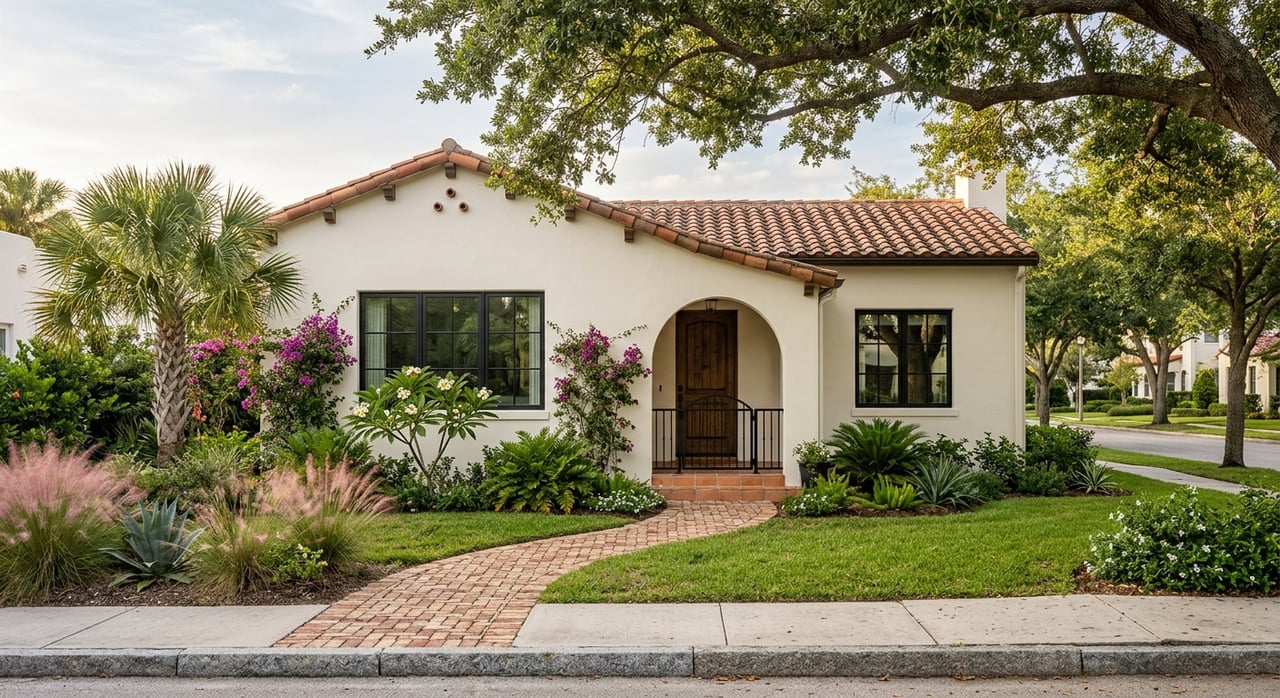
Architecture plays a big role in that experience. City sources point to early Mediterranean-style homes, a 1927 Northern Italian-style museum building, mid-century ranch homes, vernacular cottages, early apartment buildings, and examples tied to the Sarasota School of Architecture. In simple terms, older Venice offers more variety and more visible layers of history.
That variety can matter if you want a home with personality. You may find everything from cottages and apartments to postwar ranch homes and mid-century designs in established parts of Venice. Even within older areas, the housing stock can feel different from one neighborhood to the next.
Walkability in Historic Venice
Downtown Venice is built for shorter trips and public gathering. Centennial Park sits at the heart of downtown, and the city’s Trail Town designation highlights walking, biking, and access to shops and services. The downtown beautification project also reconstructed 14 blocks in 2019, reinforcing the area’s pedestrian-friendly setup.
For you, that can translate into a week that includes coffee stops, casual dinners, errands, events, and time outdoors without always getting in the car. If your idea of home includes a public downtown rhythm, historic Venice may feel especially appealing.
Beach Access and Daily Routine
Venice Beach supports that same lifestyle pattern. It sits at the west end of West Venice Avenue and includes free parking, lifeguards, boardwalks, and the city’s sail-style pavilion. The city also identifies it as a Certified Blue Wave Beach.
If being close to the beach is part of your regular routine, not just an occasional outing, that can be a major advantage. Historic Venice often appeals to buyers who want downtown, the beach, parks, and cultural spots to feel connected in one ordinary week.
What Newer Communities Feel Like
On the newer side of the market, Wellen Park is the clearest example. It spans 11,000 acres and is planned for 22,000 homes at full buildout. Depending on where you are in the community, the address may fall in the City of North Port or unincorporated Sarasota County rather than within Venice city limits.
That detail matters if you care about the difference between a Venice-area lifestyle and a Venice city address. For some buyers, the broader area identity is enough. For others, city location is part of the appeal.
More New-Home Choices
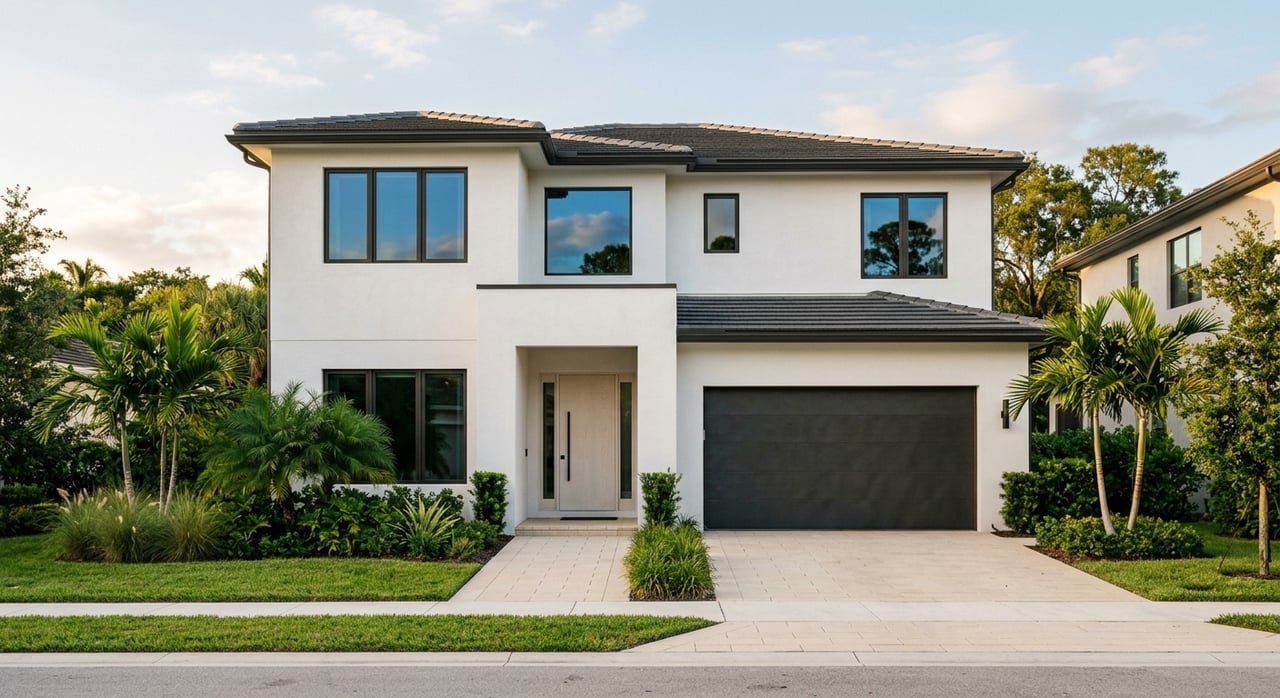
Newer communities tend to offer a broader, more product-driven range of home types. Wellen Park lists single-family homes, villas, condominiums, townhomes, carriage homes, and coach homes. It also includes an age-qualified neighborhood, a 55+ apartment community, and a senior living community.
That range can make the search feel more predictable. If you want newer construction and a clearer menu of home styles and floor plans, a planned community may give you more of what you are looking for.
Amenities as Part of Daily Life
Amenities are a major part of the newer-community appeal. Wellen Park says neighborhoods may include pickleball courts, resort pools, fitness centers, and billiard rooms, and the community currently has more than 30 miles of trails. Downtown Wellen is positioned as a gathering place with dining, shops, entertainment, waterfront paths, and rentals for kayaks, paddleboards, and pedal boats.
In practice, this often creates a more self-contained routine. Instead of centering your week around a historic downtown and beach corridor, you may spend more of your time within the neighborhood or master-planned community itself.
The Biggest Tradeoffs to Consider
When buyers compare historic Venice with newer communities, the real question is usually not old versus new. It is which lifestyle pattern feels more natural to you.
Historic Venice tends to suit buyers who value character, walkability, beach proximity, and a denser public setting. Newer communities tend to suit buyers who want newer construction, organized amenities, and a neighborhood environment built around convenience and planned gathering spaces.
Here is a simple way to think about it:
| If you value... | Historic Venice may fit better | Newer communities may fit better |
|---|---|---|
| Daily rhythm | Downtown, beach, parks, public spaces | Clubhouse, trails, neighborhood amenities |
| Home style | Older homes with character and variety | Newer homes with more predictable product types |
| Setting | Established street pattern and civic history | Planned layout and amenity-centered design |
| Routine | More walking for outings and errands | More driving within a broader planned area |
Renovation and Preservation Questions
If you are drawn to an older home, it is smart to look at possible preservation rules early. The city says Local Register properties may qualify for certain benefits, but additions, alterations, restoration, repair, relocation, and demolition are subject to additional review.
That does not mean you should avoid older properties. It simply means charm can come with more process if you plan to make significant changes. If renovation flexibility matters to you, this is an important part of the conversation.
The Middle Ground in Venice
You do not have to choose between a fully historic setting and a large master-planned community. Venice also includes established areas that are older but not identical in feel to the downtown historic core. City sources show a broad range that includes worker-housing apartments, cottages, and mid-century homes.
That middle ground can work well if you want some character without making historic identity the center of your search. It can also help if you like established neighborhoods but do not need a fully walkable downtown routine.
Three Questions to Help You Decide
If you are unsure which direction fits best, focus on these three questions:
How much do you value historic character?
If architecture, established streetscapes, and civic history matter a lot to you, historic Venice may feel more rewarding.How much do you want to walk versus drive?
If you want everyday access to downtown, parks, and the beach with less driving, the historic core may be a better match. If you are comfortable with a more spread-out setting, newer communities may feel easier.Do you prefer a public downtown rhythm or a private amenity network?
Some buyers want coffee shops, parks, and public gathering spaces to anchor the week. Others want trails, pools, fitness spaces, and neighborhood amenities close to home.
These questions often bring the answer into focus faster than comparing home specs alone.
Choosing the Right Fit for Your Next Move
The best Venice-area move is the one that matches how you actually want to live. If you picture yourself strolling downtown, spending time near the beach, and enjoying a home with character, historic Venice may be the right fit. If you prefer newer construction, on-site amenities, and a more planned neighborhood experience, a newer community may check more boxes.
At The Francis Group, we believe the right home starts with the right lifestyle fit. Whether you are relocating, buying a seasonal home, or narrowing your options in the Venice area, we can help you compare neighborhoods with clarity and confidence. Ready to talk through your options? The Francis Group is here to help.
FAQs
What is the difference between historic Venice and newer Venice-area communities?
- Historic Venice centers on walkability, civic history, beach access, and varied older homes, while newer communities tend to focus on newer construction, amenities, trails, and a more planned neighborhood layout.
Is Wellen Park actually in Venice, Florida?
- Wellen Park is part of the Venice-area market, but depending on location within the community, it is in the City of North Port or unincorporated Sarasota County rather than Venice city limits.
What kinds of homes can you find in historic Venice?
- City sources show a mix that includes apartments, cottages, postwar ranch homes, Mediterranean-style homes, mid-century homes, and other established housing types.
What kinds of homes can you find in newer Venice-area communities?
- Wellen Park lists single-family homes, villas, condominiums, townhomes, carriage homes, and coach homes, along with age-qualified and senior living options.
Do historic Venice homes come with renovation restrictions?
- Some do. The city says Local Register properties may be subject to additional review for work such as additions, alterations, restoration, repair, relocation, and demolition.
How do you decide between historic Venice and a newer community?
- Start by thinking about lifestyle first: how much you value historic character, whether you want to walk more than drive, and whether you prefer downtown activity or neighborhood amenities.