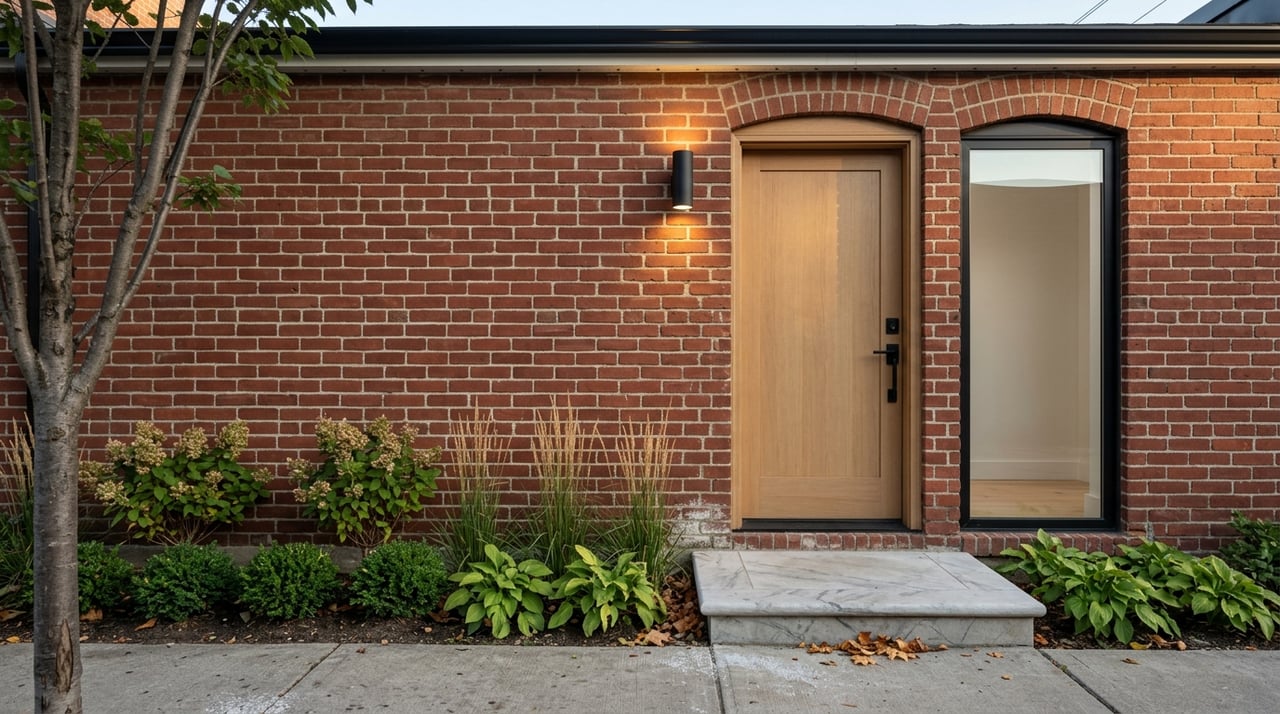
Choosing between a classic home and a newer one in Saint Paul is not just about style. It is about how you want to live, how much work you are ready to take on, and what kind of monthly costs and timelines feel manageable for you. If you are weighing charm against convenience, this guide will help you compare the real tradeoffs in Saint Paul’s housing market so you can make a smarter move. Let’s dive in.
Why This Choice Matters in Saint Paul
Saint Paul is an older, built-out city, and that shapes what you will find on the market. City housing data shows that about 45% of housing units were built before 1940, and 90% of owner-occupied units were built before 1980.
That means many buyers are not choosing between two similar homes from the same era. Instead, you are often comparing an older home with established character against a newer infill property designed around more current layouts and building standards.
Saint Paul also has limited room for large-scale new subdivisions. The city describes residential growth as largely focused on infill and redevelopment, which helps explain why newer homes may appear in scattered pockets instead of whole new neighborhoods.
What Counts as a Classic Home?
In Saint Paul, a classic home usually means a property built during the city’s earlier growth periods. These homes are often tied to streetcar-era development, older lot patterns, and long-established residential areas.
The city also has a strong preservation framework. Saint Paul’s historic-preservation inventory includes more than 75 individually designated historic properties and 9 locally designated historic districts, including areas such as Irvine Park, Historic Hill, Lowertown, Dayton’s Bluff, and West Summit Avenue.
For you, that can mean more architectural detail, a stronger sense of history, and a streetscape that feels visually consistent. It can also mean more planning if you want to make exterior changes in a locally designated historic district.
What Counts as a Newer Home?
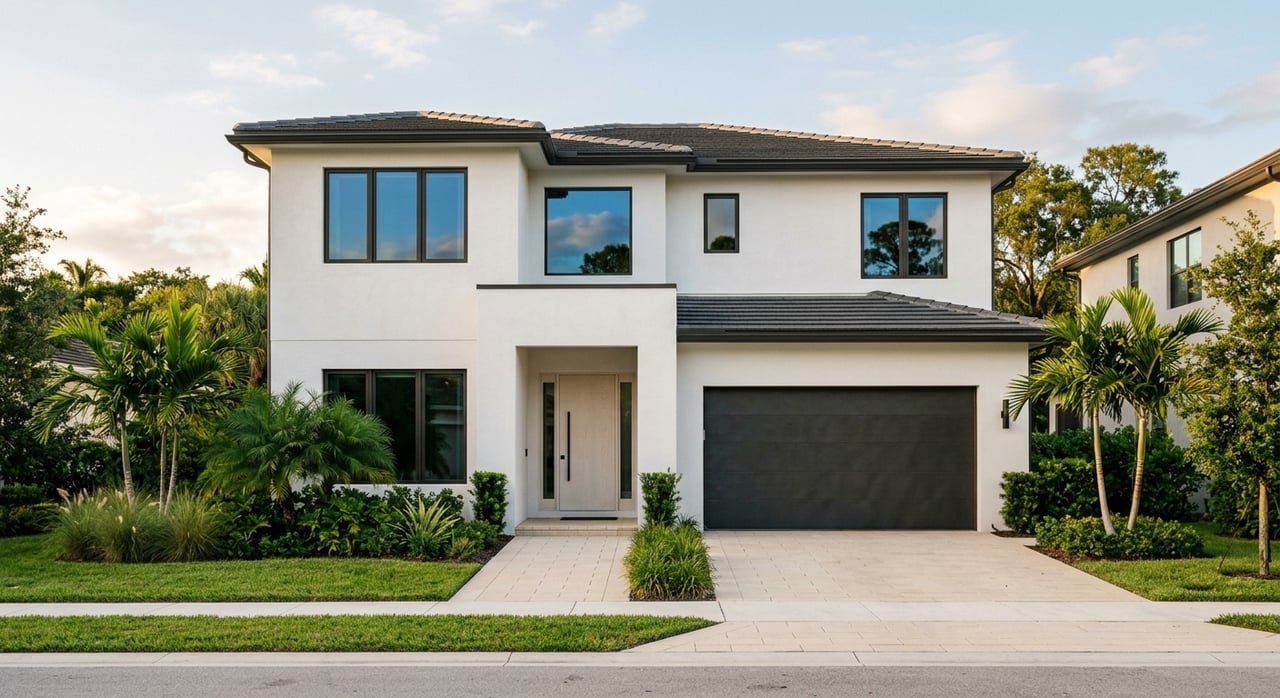
A newer home in Saint Paul is often an infill build or redevelopment project rather than a home in a brand-new subdivision. Because the city is largely developed already, new construction tends to fit into existing neighborhood patterns.
That matters because newer homes here may still give you a well-located property in an established part of the city. You may get newer systems, current code standards, and a more modern floor plan without giving up access to existing streets, services, and neighborhood context.
In many cases, the search for newer homes can be narrower simply because there are fewer of them. That can affect your timing and your budget, especially if you are set on a specific area.
Layouts and Daily Living
Classic Homes Often Feel More Defined
Older homes in Saint Paul often reflect the design priorities of an earlier era. While every home is different, many buyers find that classic homes feel more compartmentalized, with more separated living spaces and less of the fully open-concept flow that newer buyers often expect.
That can be a plus if you want distinct rooms, privacy, and architectural detail. It can be a challenge if your ideal home includes a wide-open kitchen, living, and dining setup.
Newer Homes Usually Prioritize Function
Newer homes are typically designed around contemporary preferences and current code standards. In practical terms, that often means more open common areas, more predictable storage, and a layout that feels easier to use right away.
If you want a home that feels move-in ready for modern living, newer construction may check more of your boxes from day one. The tradeoff is that you may have fewer choices and a higher upfront price.
Maintenance and Repair Expectations
Older Homes Usually Need More Attention
Saint Paul’s housing plans make clear that the city’s aging housing stock creates an ongoing need for property maintenance. The city also notes that major rehabilitation can be costly.
If you buy a classic home, it is smart to think beyond the purchase price. You should also plan for reserve funds, staged repairs, and the possibility that some updates may take longer than expected.
Even a well-cared-for older home can come with projects over time. Age alone increases the chances that components, finishes, or systems will need attention sooner rather than later.
Newer Homes Can Reduce Early Surprises
Newer homes usually begin with fewer deferred-maintenance issues simply because they are newer. That does not mean you should skip inspections, but it often means your first few years of ownership may involve fewer urgent repairs.
Minnesota’s building code regulates new construction and alterations, which gives newer homes a stronger baseline in many areas. Still, inspections matter because workmanship and site-specific issues can affect any home, no matter when it was built.
Historic District Rules Can Affect Your Plans
If a classic home is located in a local historic district, renovation timing can look different. Saint Paul’s Heritage Preservation Commission says local designation does not stop change, but it does require review so work remains compatible with the district’s scale, materials, and character.
For you, that can mean a more deliberate process for exterior updates. It can also help preserve the visual character that draws many buyers to older Saint Paul homes in the first place.
This is one of the biggest differences between loving an older home and living in one. If you value the setting and historic feel, the review process may feel worthwhile. If you want fast exterior changes, it may feel limiting.
Energy Efficiency and Monthly Costs
Newer Homes Start With a Stronger Baseline
Minnesota’s energy code regulates efficiency in new buildings, additions, and alterations. State materials point to items such as insulation, windows, ventilation, and air sealing as part of compliance.
That gives newer homes an advantage at the starting line. In many cases, you are buying into a home that was built with more current efficiency expectations already in place.
Some newer homes may go even further. ENERGY STAR-certified new homes are independently verified and exceed minimum code requirements by at least 10%.
Classic Homes Can Improve Over Time
An older home does not have to stay inefficient, but the path is usually more gradual. The Department of Energy recommends evaluating existing insulation, air-sealing first, and then considering upgrades such as caulking, weatherstripping, insulation, and efficient windows or doors.
That means a classic home may become more comfortable and cost-effective over time, but you may need to invest in stages. If your budget is tight after closing, that timeline matters.
When you compare homes, think about monthly ownership costs, not just list price. Census data puts Saint Paul’s median owner-occupied home value at $294,500 and the median monthly owner cost with a mortgage at $1,911, which is a useful reminder that your decision affects both upfront and ongoing expenses.
Budgeting for the Real Difference
The classic-versus-newer debate is often framed as charm versus convenience, but the bigger issue is usually cost structure. Older homes often ask for patience and reserve funds, while newer homes often ask for a larger upfront purchase price or a narrower inventory search.
Neither path is automatically better. The better fit depends on whether you would rather take on projects over time or pay more upfront for a home that may need less immediate work.
In Saint Paul, this tradeoff is especially important because the housing stock is older and new inventory is often limited to infill. That makes preparation and clear priorities even more important.
How to Decide Which Home Fits You
A Classic Home May Fit You Best If You:
- Value architectural character and historic setting appeal
- Feel comfortable budgeting for ongoing maintenance
- Can be patient with renovation timelines
- Like established neighborhood context and older streetscapes
A Newer Home May Fit You Best If You:
- Want stronger baseline energy efficiency
- Prefer fewer immediate repair items
- Like more contemporary layouts and systems
- Are comfortable with a more limited search in some areas
A Smart Way to Shop in Saint Paul
When you tour homes, try to compare them through the lens of ownership, not just appearance. A beautiful older home may need a longer planning horizon, while a newer home may deliver simpler day-to-day living from the start.
It also helps to ask practical questions as you go. How much work are you truly willing to do in the first two years? Do you want design character more than efficiency, or efficiency more than character? Are you prepared for review requirements if the home is in a historic district?
The right answer is personal, but the goal is simple. You want a home that fits your budget, your timeline, and the way you actually want to live.
If you are weighing classic versus newer homes in Saint Paul and want practical guidance tailored to your budget and goals, The Francis Group can help you compare options and move forward with confidence.
FAQs
What is the biggest difference between classic and newer homes in Saint Paul?
- The biggest difference is usually the tradeoff between character and maintenance versus convenience and efficiency. Older homes often offer more historic appeal, while newer homes often provide more current layouts, systems, and baseline energy performance.
Are most homes in Saint Paul older homes?
- Yes. City data shows that about 45% of housing units were built before 1940, and 90% of owner-occupied units were built before 1980.
Are newer homes common in Saint Paul neighborhoods?
- Newer homes are usually less common than older homes because Saint Paul is a built-out city. Newer housing often appears as infill or redevelopment rather than large new subdivisions.
Do classic Saint Paul homes need more maintenance?
- In many cases, yes. Saint Paul’s housing plans note that the city’s aging housing stock creates ongoing maintenance needs and that major rehabilitation can be costly.
Can historic district rules affect renovations in Saint Paul?
- Yes. In locally designated historic districts, exterior work may require review so changes remain compatible with the district’s scale, materials, and character.
Are newer homes in Saint Paul usually more energy efficient?
- Generally, yes. Minnesota’s energy code regulates efficiency in new construction, and newer homes often start with stronger insulation, air sealing, windows, and ventilation standards than many older homes.
Can you improve energy efficiency in an older Saint Paul home?
- Yes. Improvements are often made over time through air sealing, insulation, weatherstripping, and other targeted upgrades.
How should I budget when comparing older and newer homes in Saint Paul?
- Look at the full ownership picture. An older home may require reserve funds for repairs and updates, while a newer home may require a higher purchase price but fewer immediate projects.