Wondering what winter really feels like when you trade snow shovels for sunshine? If you are thinking about spending part of the year in Venice, Florida, you are probably looking for more than warm weather. You want an easy daily routine, a home that fits a seasonal lifestyle, and a place that feels enjoyable without being complicated. This guide will walk you through what winter living in Venice can look like and what to consider as you plan your seasonal stay. Let’s dive in.
Why Venice Works for Winter Living
Winter in Venice is one of the biggest reasons seasonal residents return year after year. According to NOAA climate normals at the Venice station, average temperatures are 72.4°F/51.6°F in January, 75.0°F/54.2°F in February, and 77.9°F/57.5°F in March. Snowfall normals are 0.0 inches in each of those months.
Rainfall is also lighter in winter than in summer. Venice averages 2.68 inches of rain in January, 2.00 inches in February, and 2.97 inches in March, compared with much wetter summer months. For you, that often means more days built around walking, biking, beach time, and outdoor plans.
In practical terms, winter in Venice usually supports a light-layer lifestyle. You may still want a jacket for cooler mornings or evenings, but much of the day can feel comfortable for being outside. That is a big shift if you are coming from a colder climate like Minnesota or the Upper Midwest.
Daily Life Feels Simple in Venice
One of Venice’s biggest strengths is how easy it is to build a pleasant everyday routine. Historic downtown Venice dates to the 1920s and sits less than a mile from Venice Beach. That close connection helps turn ordinary errands and outings into a more relaxed part of your day.
Downtown includes boutiques, restaurants, bars, sweet shops, services, and the Venice Farmers Market on Saturday mornings. Centennial Park adds free concerts, a splash pad, community information, and free parking. For a seasonal resident, that means you can often combine coffee, lunch, shopping, and a walk without making it a major production.
That kind of convenience matters when you are living somewhere for a season instead of just visiting for a weekend. You want a place where the lifestyle feels natural, not forced. Venice supports that with a compact core that is easy to enjoy again and again.
Beach Access Shapes the Winter Routine
If your ideal winter includes regular beach time, Venice gives you plenty of options. The area offers 14 miles of Gulf beaches, including Venice Beach, the Venice Pier, Caspersen Beach, and Brohard Paw Park. Venice Beach is also described locally as a short walk from downtown, which helps connect beach time with the rest of your day.
That setup creates a rhythm many seasonal residents appreciate. You can start with a beach walk, head into town for coffee or breakfast, and still have the rest of the day open. It feels less like a vacation schedule and more like a lifestyle you can actually maintain for weeks or months.
Venice Beach is recognized as a Certified Blue Wave Beach, and Caspersen Beach is known for shark teeth. If you enjoy variety, that mix gives you different ways to use your time outdoors. Some days may be about a quiet walk, while others may center on the pier, shoreline views, or simply spending a sunny afternoon by the water.
Trails and Recreation Make It Easy to Stay Active
For many seasonal residents, winter is not just about escaping cold weather. It is also about feeling better, moving more, and spending time outside. Venice stands out here because the city highlights a strong biking and trail network along with easy-access recreation.
The City of Venice identifies itself as a Silver Bicycle Friendly Community and a Trail Town. It also highlights Venetian Waterway Park and the Legacy Trail as a connected system reaching downtown with nearly 23 miles of uninterrupted trails. If you like biking, walking, or just having room to move, that is a meaningful part of daily life.
Hecksher Park adds more options in the downtown area, including tennis, pickleball, shuffleboard, and other courts. That gives you a practical way to stay active without driving far or joining a complicated routine. For many snowbirds, that balance of structure and ease is exactly the point.
Evenings Offer More Than Just Dining Out
A good seasonal destination needs more than daytime sunshine. You also want enough to do in the evening so your weeks feel full and interesting. Venice delivers that with a cultural mix that stays accessible and low-pressure.
Visit Venice describes a Cultural Corridor with nine destinations within a half-mile radius. These include Venice Theatre, Venice Performing Arts Center, Venice Art Center, Venice Community Center, Venice Museum & Archives, libraries, and public art. That concentration gives you options for a casual night out without needing a big plan.
The Venice Art Center offers more than 600 classes annually and 12 free exhibitions. If you enjoy creative hobbies or local arts programming, that can add a lot to your winter schedule. It also helps Venice feel like a place where you can settle into a season, not just pass through it.
Dining adds another layer to the lifestyle. Local waterfront spots such as Pop's Sunset Grill and Crow's Nest offer a range of options including breakfast, lunch, dinner, brunch, and live music. For seasonal residents, it is helpful to have places that work for both an easy weekday meal and a more social evening.
What a Winter Day in Venice Can Look Like
One reason Venice appeals to seasonal residents is that the day can unfold in a very natural way. You are not trying to force fun into a packed itinerary. Instead, local amenities support a routine that feels easy to repeat.
A typical day might look something like this:
- Morning walk at Venice Beach or along the pier
- Coffee or breakfast in downtown Venice
- Midday errands, browsing, or a stop at the farmers market on Saturday
- Afternoon bike ride on the Legacy Trail or time at Hecksher Park
- Evening class, performance, exhibit, or waterfront dinner
That kind of flow is a major part of Venice’s appeal. It gives you enough activity to stay engaged while still leaving room to slow down.
Choosing the Right Home for Seasonal Living
If you plan to spend winters in Venice, the right property type can shape your whole experience. The main question is often not just price or size. It is how much upkeep you want while you are in town and how easy the property is to leave when the season ends.
Condos Offer a Lock-and-Leave Option
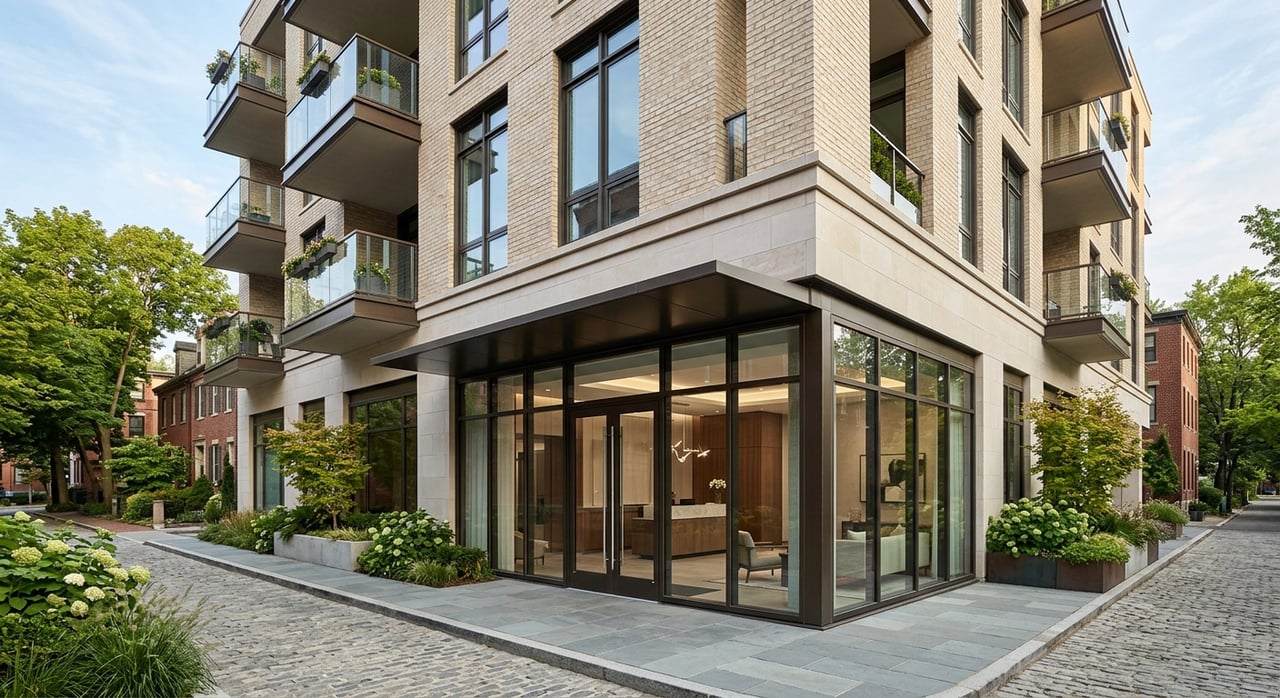
For many seasonal residents, condos are the most straightforward low-maintenance choice. Under Florida law, condominium associations are responsible for maintenance, repair, and replacement of common elements and association property, and those costs are treated as common expenses. That framework is one reason condos often appeal to buyers who want a more turnkey setup.
If your goal is to arrive, enjoy the season, and leave with fewer moving parts, a condo may fit well. That does not mean every condo community is identical, but the structure itself often aligns with a seasonal lifestyle.
HOA Communities Can Be a Middle Ground
HOA-managed communities can also work well if you want a lower-maintenance property without choosing a condo. Florida’s HOA statute defines common areas as property owned or leased by the association or dedicated for use or maintenance by the association or its members. It also recognizes mandatory maintenance or amenity fees tied to those common areas.
In practice, this can make villa-style homes or maintenance-included neighborhoods appealing to seasonal buyers. You may get more space or a different home style while still reducing some of the hands-on upkeep.
Single-Family Homes Offer Space and Flexibility
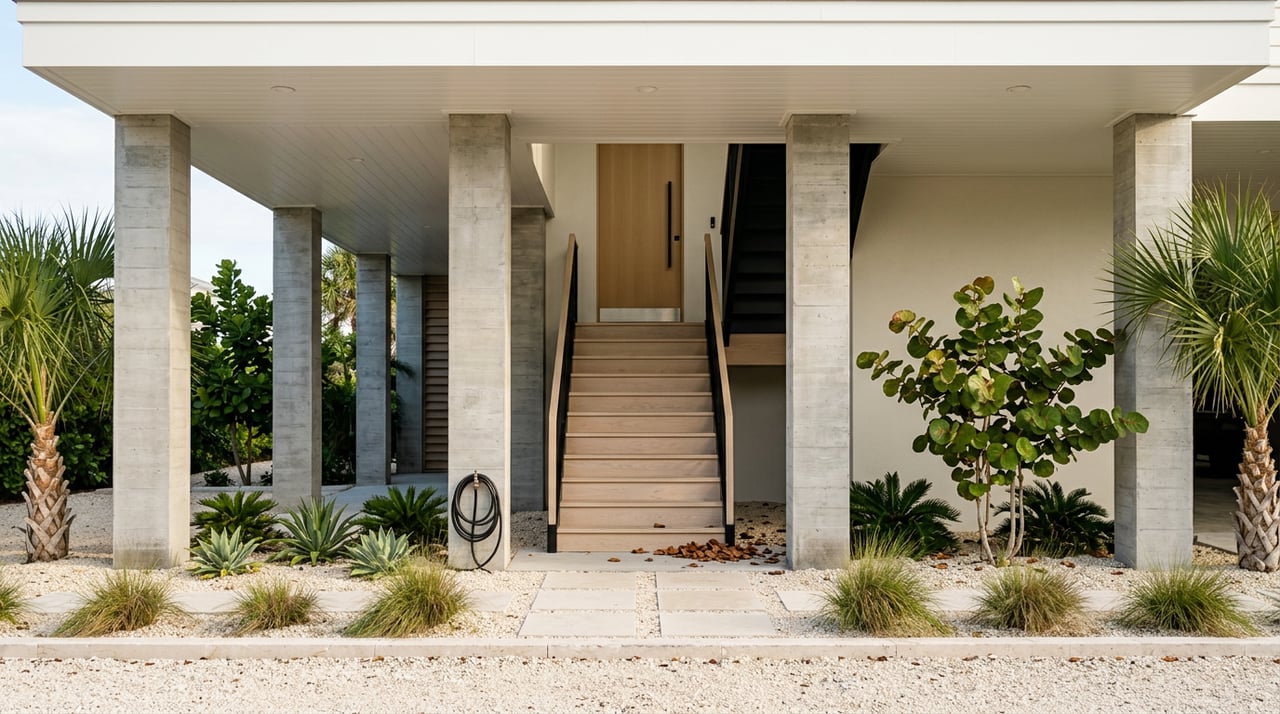
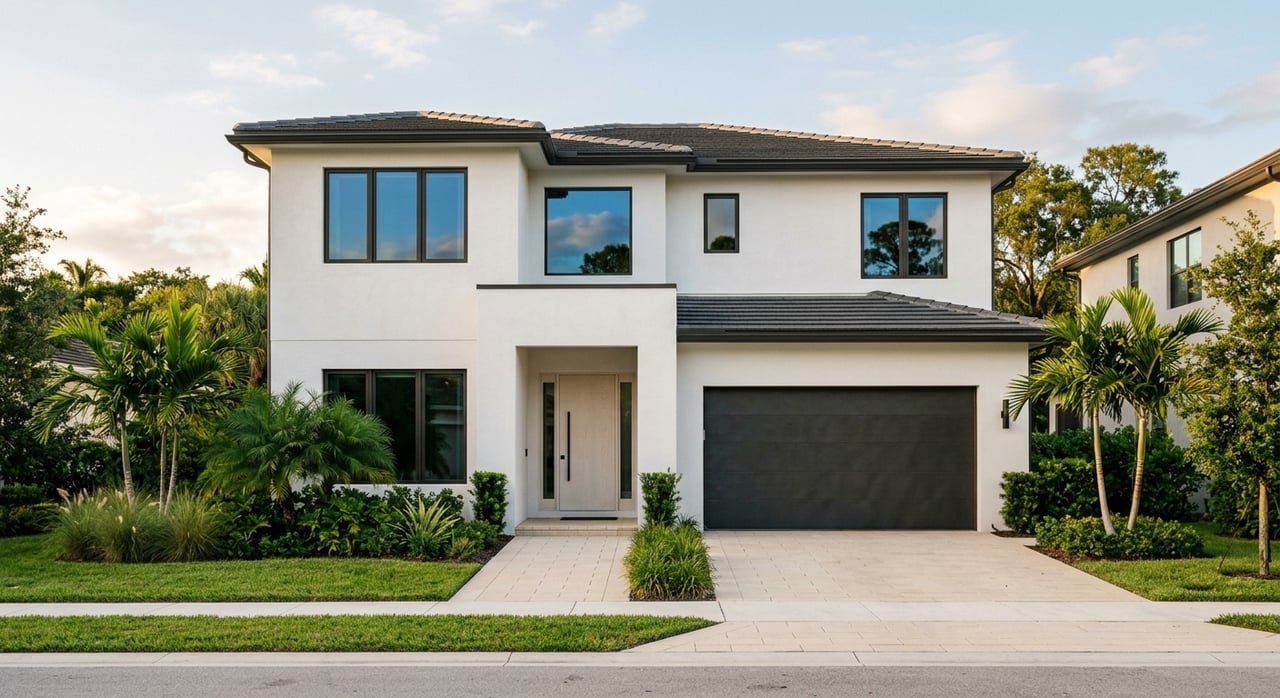
Single-family homes can still be a strong option for winter residents, especially if you value privacy, storage, or extra room for guests. The tradeoff is that maintenance can vary a lot depending on whether the home is in an HOA community and what the fees actually cover.
That is why the property label alone does not tell the whole story. A single-family home may be easy to manage in one community and much more hands-on in another. If you are comparing options, it is important to look closely at the actual responsibilities tied to the property.
Why Association Details Matter
For seasonal buyers, one of the most important practical steps is reviewing rules, fees, and maintenance coverage before you buy. Florida statutes show that condo and HOA communities can place maintenance responsibility with the association, but the exact split between owner and association depends on the governing documents and community type.
That means two homes with similar photos or price points can offer very different ownership experiences. One may be simple to lock and leave, while another may require more attention than you expected. If your goal is a stress-light winter home, this is one of the most important details to get right.
Venice Makes Sense for Snowbirds
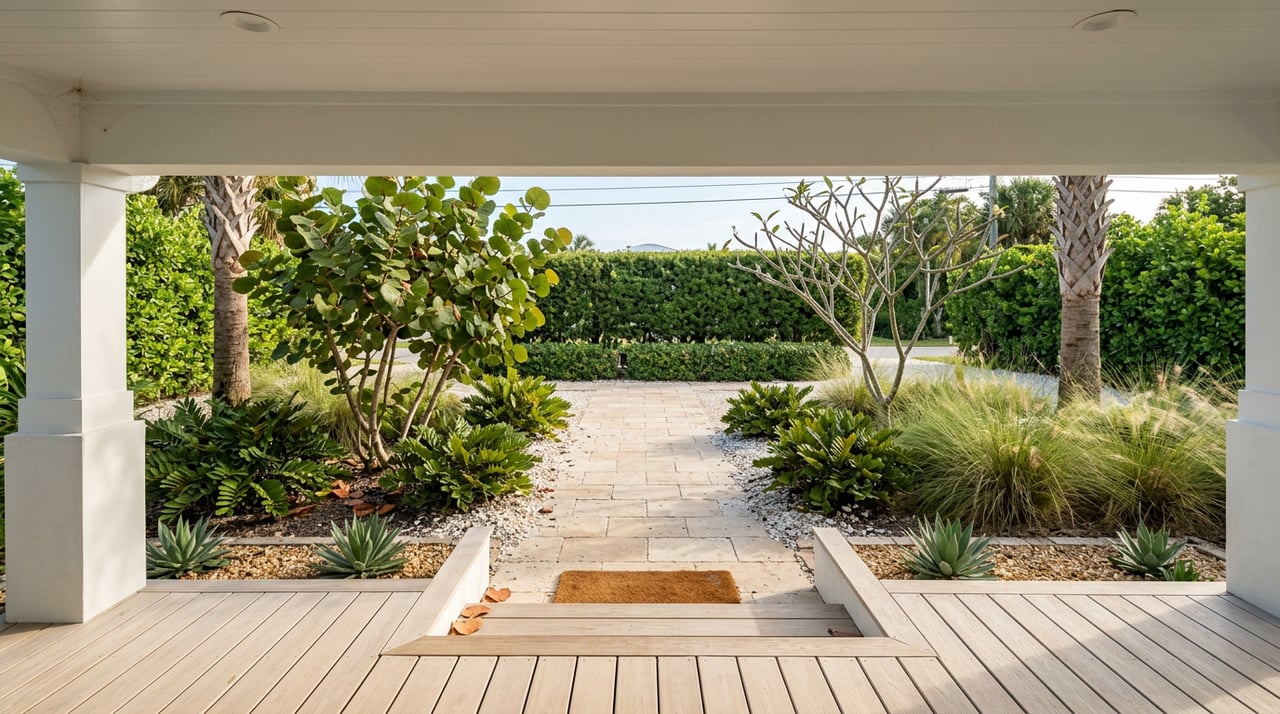
If you are looking for a winter destination that feels warm, active, and manageable, Venice checks a lot of boxes. The weather supports outdoor living. The downtown and beach connection makes day-to-day life feel easy. Trails, parks, arts, and dining give you enough variety to enjoy the season without overcomplicating it.
Just as important, Venice offers housing choices that can match different versions of seasonal living. Whether you picture a condo, a villa-style community, or a single-family home, the best fit usually comes down to how you want to spend your time and how much upkeep you want to handle.
If you are comparing Venice with other Florida options, it helps to look beyond the vacation feel and focus on routine. The best seasonal home is the one that supports the way you actually want to live from January through March.
If you are planning a seasonal move or searching for the right winter home in Venice, The Francis Group can help you compare property types, understand what low-maintenance living really looks like, and make your Florida search feel clear and manageable.
FAQs
What is winter weather like in Venice, Florida for seasonal residents?
- Winter in Venice is generally mild, with average highs and lows of 72.4°F/51.6°F in January, 75.0°F/54.2°F in February, and 77.9°F/57.5°F in March, according to NOAA normals.
How close is downtown Venice to Venice Beach?
- Historic downtown Venice sits less than a mile from Venice Beach, which helps make beach trips, dining, and errands easy to combine in one outing.
What activities are available in Venice during winter?
- Venice offers Gulf beaches, the Venice Pier, the Legacy Trail, Venetian Waterway Park, pickleball and tennis at Hecksher Park, farmers market visits, arts venues, classes, exhibitions, and waterfront dining.
Are condos a good option for snowbirds in Venice, Florida?
- Condos are often a strong option for snowbirds because Florida law places maintenance, repair, and replacement of common elements and association property with the condominium association.
Should seasonal buyers in Venice consider HOA communities?
- HOA communities can be a good middle-ground option because they may include maintenance responsibilities and amenities through the association, depending on the community’s governing documents.
What should buyers review before purchasing a seasonal home in Venice?
- Buyers should review association rules, fees, and maintenance responsibilities carefully, since the owner-versus-association split can vary by property and community type.