Picture yourself stepping onto cool, powdery sand in the afternoon and strolling to dinner in a lively beach village at sunset. If that sounds like your kind of day, Siesta Key might be the right setting for your beach home. You want easy access, strong lifestyle perks, and a clear view of ownership costs and rules. In this guide, you’ll learn how Siesta Key lives, what types of homes you can buy, how prices vary, what to know about short-term rentals and taxes, and the coastal factors to check during due diligence. Let’s dive in.
Siesta Key snapshot
Siesta Key is a barrier island in Sarasota County known for walkable village life and easy beach access. The island’s identity centers on Siesta Beach, which draws national attention for its very fine white quartz sand. You will hear it described as nearly pure quartz and one of the softest beach sands around. Learn more about the island’s highlights on the official destination page at Visit Sarasota.
That sand is a big reason the beach consistently earns “best beach” buzz. For background on the sand’s quartz content and the beach’s profile, see the Siesta Beach overview.
Beyond the main beach, you get different beach personalities in one compact island. Siesta Beach is wide and amenity-rich. Crescent Beach and Point of Rocks offer snorkeling pockets and tidal pools. Turtle Beach is quieter and has a public boat ramp. That variety helps you match your daily routine to your mood, from busy beach days to low-key sunset walks.
Getting around and access
The closest commercial airport is Sarasota–Bradenton International (SRQ). Typical drive time to the island is about 20 to 30 minutes depending on traffic. Once you are on Siesta Key, a free open-air trolley runs the length of the island, which makes car-light days simple when parking gets tight near the beach. You can read about the area’s transport options and island vibe on Visit Sarasota.
Home types and price patterns
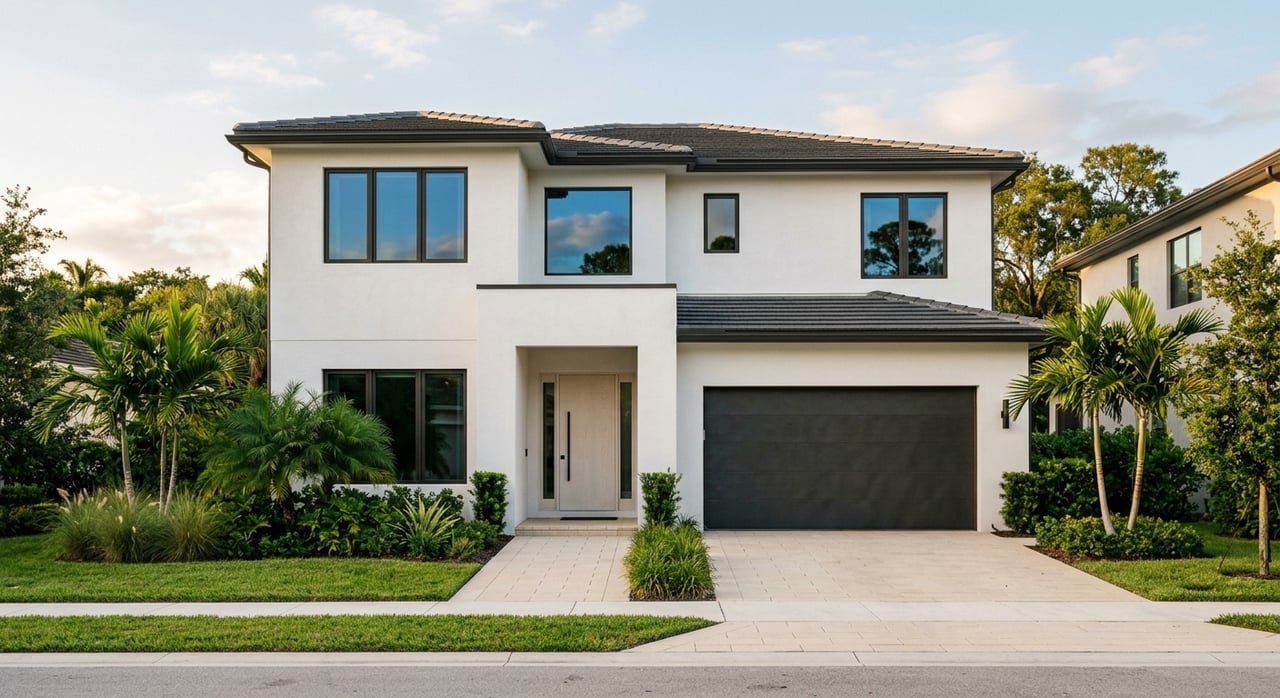
You will find a mix of condos and single-family homes across beachfront, bayside, and inland pockets. Inventory is limited on true gulf-front, and premiums reflect that.
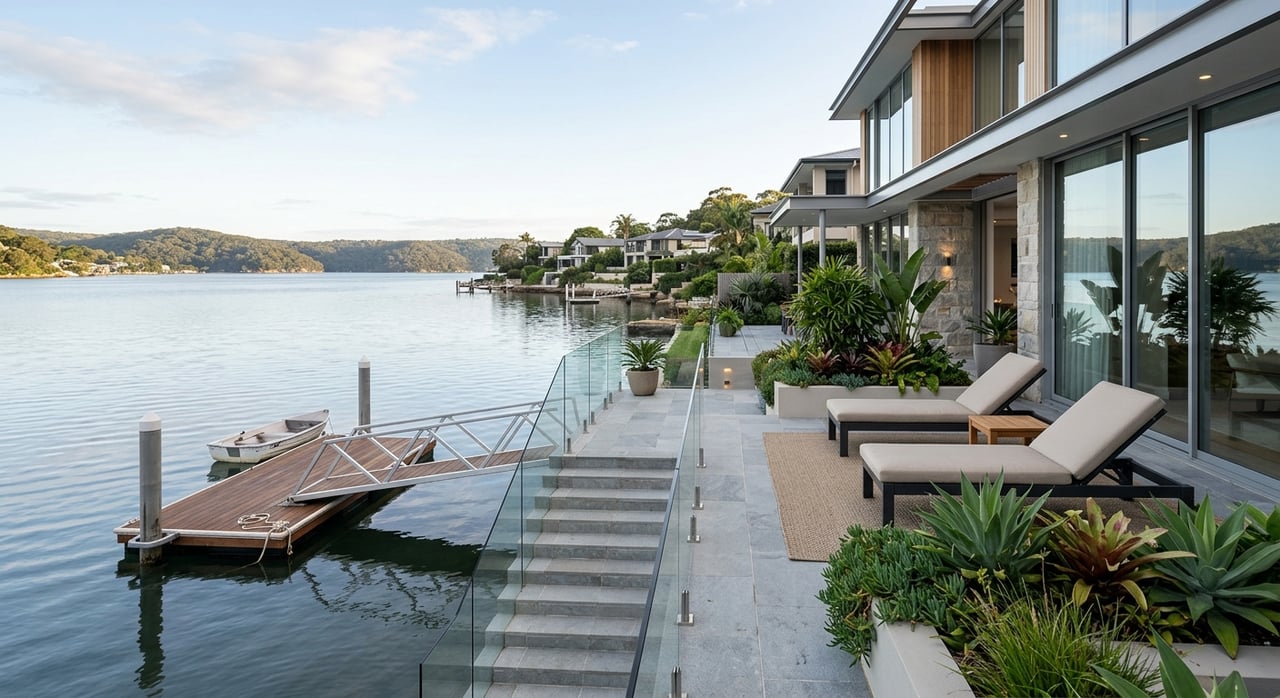
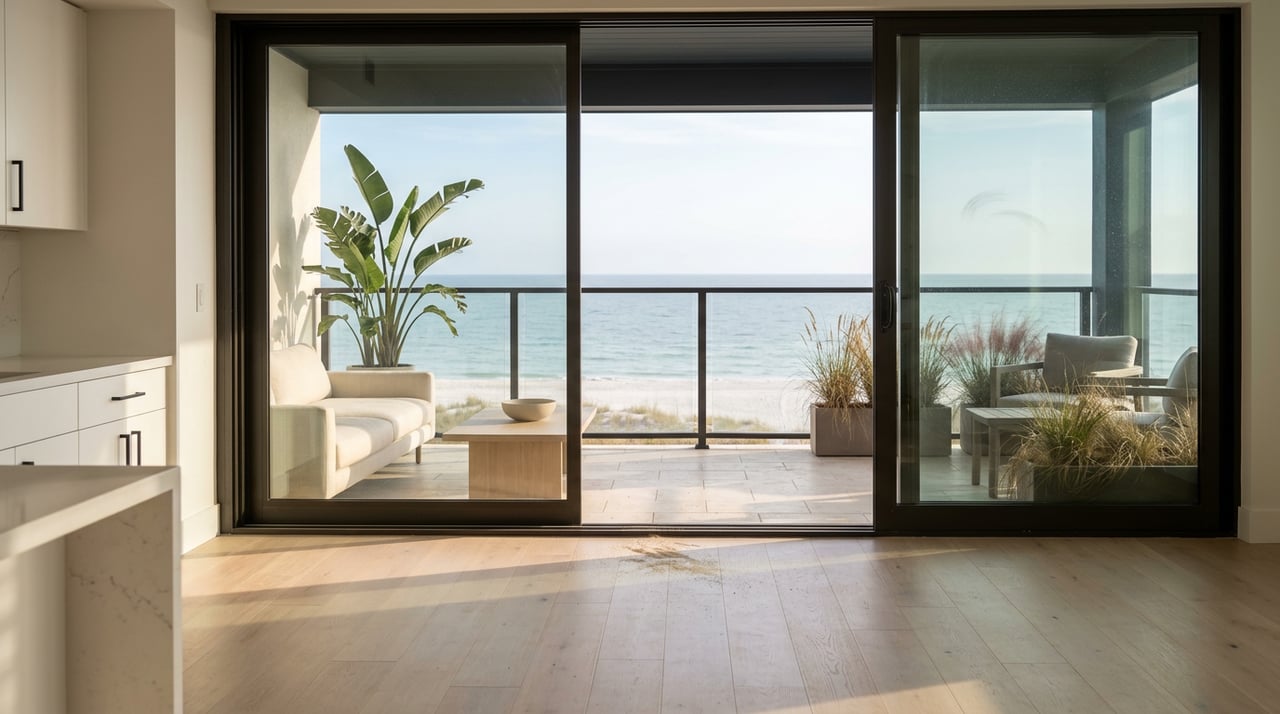
- Condominiums: Beachfront and bayside buildings are popular for low maintenance and amenities like pools, keyed access, on-site management, and in some cases dockage. Beachfront units command higher prices with limited availability. Bayside and canal-front condos can offer boating access.
- Single-family homes: Options range from mid-century cottages to elevated new builds. Gulf-front single-family homes tend to be the island’s highest-priced segment.
Price dispersion is significant, so it helps to separate island-wide medians from gulf-front micro-markets. For example, a recent island-wide snapshot from Redfin reported a median sale price around $850,000 (January 2026). Neighborhood-level reports for Siesta Beach show materially higher medians near the gulf, with some snapshots around $1.6 million during the same general period. The key takeaway is that bayside and inland properties often trade at lower price points than true beachfront. Always date and source any price you rely on, and compare more than one data set before you set your budget.
Short-term rentals and taxes: what to know
If you plan to rent your property when you are not using it, focus on zoning and association rules first.
- Zoning: Sarasota County’s Unified Development Code treats barrier islands differently. In general, residential leases must be 30 days or more, but certain multifamily districts on the barrier islands allow rentals under 30 days. Eligibility depends on the zoning of the specific parcel and compliance with the Siesta Key Overlay District. Always confirm the parcel’s zoning with county planning. You can review the county code section on rentals in the Unified Development Code and the county’s citizen guide to rental rules in this overview document.
- HOA/condo rules: Many associations set their own minimum-stay requirements or seasonal blackout periods. Even if county zoning allows short-term rentals, the association’s bylaws may be more restrictive. Get the written rules and confirm any limits before you buy.
Taxes and registration also matter. Sarasota County levies a Tourist Development Tax of 6 percent on rentals of six months or less, which is in addition to state sales tax and any local surtax. Hosts must register and remit these taxes. Some platforms collect and remit some taxes on your behalf, but you are responsible for compliance on direct bookings and registration. Review the county’s guidance on the Tourist Development Tax.
Costs beyond the purchase
Owning on a barrier island carries a few ongoing costs that you should price in early.
- HOA/condo dues: These range widely based on the building’s size, amenities, reserves, and included utilities. Representative listings on the island often show dues from a few hundred dollars per month to over $1,000 per month. Confirm current amounts and what they cover.
- Property taxes: Sarasota County tax schedules apply. Compare effective rates for your target neighborhoods and ask your lender for a property tax estimate as part of your payment planning.
- Insurance: Flood and wind coverage are separate from standard homeowners policies and may be required by lenders or strongly recommended. Premiums depend on location, elevation, construction, and claims history. Pricing has evolved under NFIP’s Risk Rating 2.0, so request quotes early. For a plain-English primer on flood insurance basics, read this flood insurance explainer.
Coastal risks and due diligence
Much of Siesta Key sits in FEMA-designated flood zones, which affects lending, insurance, and renovation rules.
- Flood zones and lending: If a property lies within a Special Flood Hazard Area, most lenders will require flood insurance. That is a predictable, budgetable line item if you plan ahead.
- Renovations and the “50 percent rule”: FEMA’s substantial-improvement rules can shape what you can do with older structures and at what cost. Elevation and coastal construction standards may apply, and they vary by zone. Always verify the property’s current FEMA FIRM panel, base flood elevation, and any available Elevation Certificate.
A good starting point is the county’s coastal hazard documentation, which shows how officials rely on FIRM panels and design certifications during permitting. You can see examples in this county form packet on coastal hazard and elevation certifications. During due diligence, ask the seller for any Elevation Certificate and verify the flood zone using the FEMA Map Service Center or county GIS.
Beach care and shoreline projects
Sarasota County actively manages beach maintenance and post-storm repairs on South Siesta Key. Recent cycles include a 2016 renourishment and a 2023 repair and monitoring effort supported by state funds. For gulf-front buyers, it helps to understand how periodic renourishment affects public access points, dune health, and long-term shoreline management. See local reporting on funding and timelines for South Siesta Key renourishment.
Is it a fit? Pros and tradeoffs
Every island has strengths and tradeoffs. Here is a balanced look to help you decide.
Pros
- World-class white-quartz sand and a strong beach identity that anchors the lifestyle. Learn more about the beach’s sand on the Siesta Beach profile.
- Compact, walkable village with casual dining and nightlife near the beach. See highlights on Visit Sarasota.
- Short-term rental potential on many parcels, depending on zoning and association rules, which can help offset carrying costs if your use is part-time.
Tradeoffs
- Wide price dispersion across the island. Gulffront micro-markets command premiums and have limited inventory, so your budget may stretch further on bayside or inland properties.
- Flood, storm, and insurance exposure common to barrier islands. Plan for elevated insurance and maintenance commitments.
- Zoning, overlay districts, and association covenants add complexity. Short-term rental operators must satisfy both county and HOA/condo sets of rules.
A 5-minute buyer checklist
Use this quick list to focus your search and cut surprises:
- Confirm parcel zoning and whether it sits in a district that allows short-term rentals under county rules. Start with the county code section on rentals and request written confirmation from county planning.
- Ask whether the property is subject to the Siesta Key Overlay District and any special setbacks or design standards.
- Verify the current FEMA flood zone, FIRM panel number, base flood elevation, and whether an Elevation Certificate or Letter of Map Change exists.
- Get the HOA/condo bylaws and written rental rules, including minimum stays and any seasonal restrictions.
- Request current HOA/condo dues and a breakdown of what they include, such as reserves, utilities, and insurance.
- If rental income matters, ask for documented occupancy and average daily rate history and clarify who collects and remits tourist taxes for each booking channel. Review the county’s Tourist Development Tax guide.
- Obtain flood and wind insurance quotes early so you can compare total monthly costs across different properties. Use this flood insurance explainer to frame questions for your insurance agent.
Culture within a short drive
One perk of Siesta Key is the quick hop to Sarasota’s arts and science attractions for off-beach days. The Ringling, Marie Selby Botanical Gardens, and Mote Marine Laboratory are popular options, and they are an easy drive from the island. You can browse highlights in the current Siesta Key Visitors Guide.
Ready to explore Siesta Key?
If you want a beach-first lifestyle with a friendly village feel and a range of condo and single-family options, Siesta Key delivers. The key is matching your budget and goals to the right pocket of the island, then confirming rental rules, insurance, and coastal details early. That way, you can relax into beach life with confidence.
When you are ready to take the next step, let us guide you through a focused search, clear due diligence, and a smooth closing. Schedule a conversation with The Francis Group to align your wish list, budget, and timeline and to see curated listings that fit how you want to live.
FAQs
What makes Siesta Beach’s sand unique?
- Siesta Beach is widely noted for very fine white quartz sand, often described as nearly pure quartz, which helps it stay cool and contributes to its soft feel.
Are short-term rentals allowed on Siesta Key?
- Many parcels can be eligible, but it depends on the property’s zoning and any HOA or condo rules; review the county’s barrier-island provisions in the Unified Development Code and confirm specifics for the parcel you are considering.
How much are typical condo HOA fees on Siesta Key?
- Dues vary widely based on building size and amenities and often range from a few hundred dollars per month to over $1,000 per month; verify current amounts and inclusions with the association.
What taxes apply if I rent my Siesta Key home for short stays?
- Sarasota County charges a 6 percent Tourist Development Tax on rentals of six months or less, in addition to state sales tax; hosts must register and remit these taxes per the county tax collector.
Do I need flood insurance for a Siesta Key property?
- Lenders usually require flood insurance if the property is in a Special Flood Hazard Area, and separate wind coverage is common on the coast; get quotes early and ask for any Elevation Certificate to help insurers price the risk, using this flood insurance primer to guide your questions.
How close is Siesta Key to airports and culture?
- SRQ airport is typically a 20 to 30 minute drive, and downtown Sarasota’s museums and gardens are within a short drive, as outlined in the Siesta Key Visitors Guide.