Buying your first home in Minneapolis can feel exciting and overwhelming at the same time. You are likely balancing your budget, watching interest rates, and wondering how to compete in a market where well-priced homes can still move quickly. The good news is that with the right plan, you can move forward with more confidence and fewer surprises. This guide walks you through the key steps, costs, and local details that matter most as you get started. Let’s dive in.
Understand the Minneapolis market
If you are just starting your search, it helps to know what kind of market you are entering. In March 2026, the median sale price in Minneapolis was about $354,950, homes spent around 30 days on market, and the average home received roughly three offers.
That does not mean every listing turns into a bidding war, but it does mean preparation matters. When you know your budget, financing options, and must-haves before you tour homes, you can make better decisions under pressure.
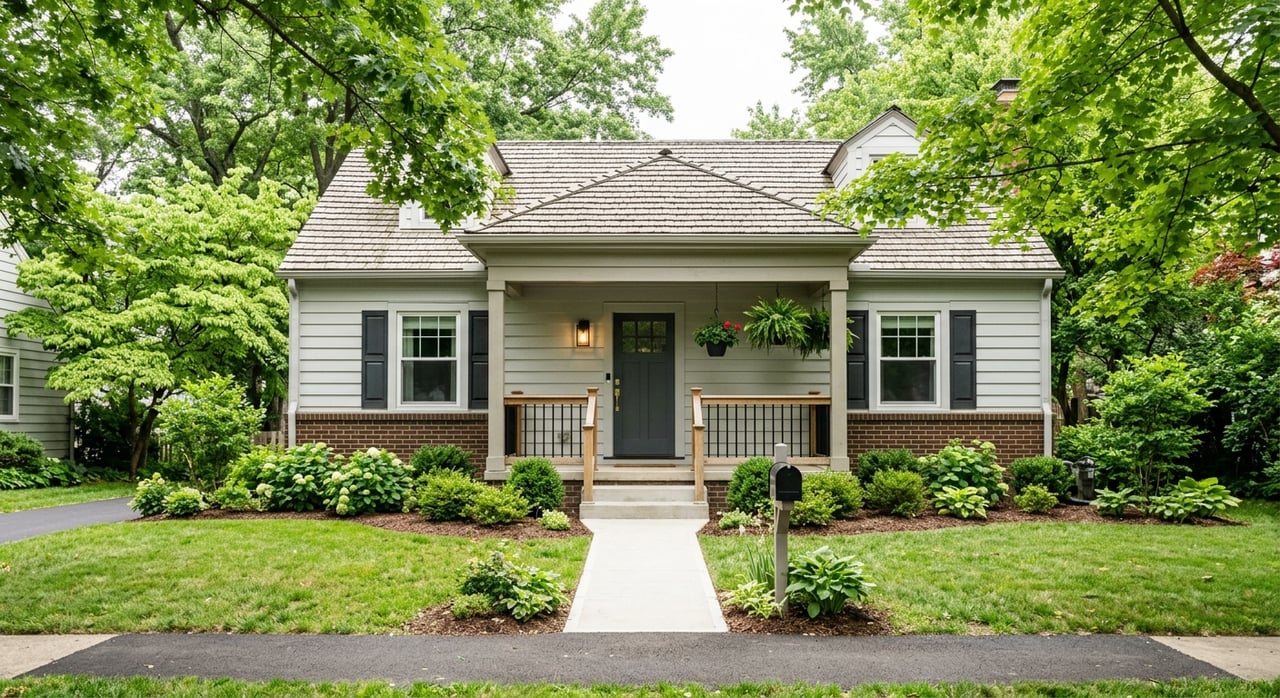
Minneapolis also has a wide range of housing types. Your search may include single-family homes, townhomes, condos, or even 1-4 unit properties, and each option can affect your monthly payment in a different way.
Start with your monthly budget
Before you look at listings, focus on what you can comfortably afford each month. That number should be based on your real life, not just the highest amount a lender might approve.
Your monthly housing budget may include:
- Principal and interest
- Property taxes
- Homeowners insurance
- Mortgage insurance, if applicable
- HOA dues, if applicable
- Utilities
- A repair and maintenance cushion
This step matters even more in Minneapolis because many homes are older. If you buy a property built decades ago, your monthly costs may include more than just the mortgage payment.
Plan for upfront cash needs
Many first-time buyers focus on the down payment and underestimate the rest of the cash needed to close. In addition to your down payment, closing costs often run about 2% to 5% of the purchase price.
In Minnesota, buyers should also plan for state deed tax and mortgage registry tax. In Hennepin County, both also include a small environmental response fund tax, so it is smart to ask your lender for a full estimate early.
It can help to think about your upfront funds in three buckets:
- Down payment
- Closing costs and taxes
- Moving and early repair reserves
That last category is easy to overlook. Even if the home is in solid condition, you may still want cash set aside for paint, basic maintenance, weatherization, or appliances.
Get preapproved before you shop seriously
A preapproval can help you understand your price range and show sellers you are a serious buyer. In a competitive market like Minneapolis, it can also help you move faster when the right home hits the market.
Just remember that preapproval is a starting point, not a final lender decision. You are not locked into that lender simply because they issued the letter.
Once you have a home in mind, ask more than one lender for official Loan Estimates for the same loan type. Then compare:
- Origination charges
- Lender credits
- Cash to close
- Total monthly payment
If you are worried about multiple credit pulls, there is good news. Mortgage credit checks made within a 45-day window are generally treated as a single inquiry for scoring purposes.
Look into Minneapolis and Minnesota buyer assistance
If saving for upfront costs has been the biggest barrier, local and state programs may help. The City of Minneapolis offers a down payment assistance loan of up to $20,000 as a 30-year deferred, no-interest mortgage, depending on household income and available city funds.
The city directs applicants to providers such as Build Wealth and NeighborWorks Home Partners. Minneapolis also lists education and counseling resources including Framework, HomeStretch, Minnesota Home Ownership Center, NeighborWorks Home Partners, and Emerge.
At the state level, Minnesota Housing offers two common paths:
- Start Up for first-time buyers who have not had an ownership interest in a principal residence in the last three years
- Step Up for repeat buyers or first-time buyers who exceed Start Up limits
As of 2026, Start Up income limits in the 11-county Twin Cities metro are:
- $132,400 for 1-2 person households
- $152,200 for households of 3 or more
The Step Up metro income limit is $197,900. If all borrowers are first-time homebuyers and use Minnesota Housing programs, at least one borrower must complete an approved homebuyer education course before closing.
Choose the right home type for your goals
Your first home does not have to look one specific way. In Minneapolis, many buyers compare condos, townhomes, single-family homes, and small multi-unit properties.
Each option comes with tradeoffs. A condo may offer lower exterior maintenance but could include HOA dues. A single-family home may offer more privacy and yard space, but upkeep may be more hands-on. A 1-4 unit property may create rental income potential, but financing costs can differ from a standard single-family purchase.
The best fit depends on your budget, lifestyle, and comfort level with maintenance. A smart first step is deciding what matters most to you over the next few years, not just what looks best online.
Pay close attention to older-home issues
One of the biggest Minneapolis-specific factors for first-time buyers is age of housing stock. The city says there are about 88,000 one-to-four-unit homes, and many were built before 1930.
That age can add charm and character, but it can also affect your budget. Insulation, air sealing, heating and cooling efficiency, ventilation, and moisture control can all become part of the ownership picture.
Minneapolis offers weatherization information, free energy assessments, and funding for improvements related to air leakage, insulation, moisture control, heating and cooling, and ventilation. For a first-time buyer, that means energy performance is not just a side issue. It can directly affect monthly comfort and utility costs.
You should also be aware of health and safety checks common in older homes. Lead-based paint is primarily found in homes and apartments built before 1978, and Minneapolis says two in five Minnesota houses test high for radon.
When you tour older properties, ask careful questions and look beyond cosmetics. Fresh paint and staged rooms are nice, but they do not replace inspection findings, radon testing, or a clear understanding of future maintenance needs.
Tour homes with a practical checklist
It is easy to get distracted by finishes and layout. Try to tour each home with the same basic checklist so you can compare properties more clearly.
Look at the home through two lenses:
- How the home fits your life
- How the home may affect your budget after closing
During tours, pay attention to:
- Overall condition of windows, roofline, and exterior
- Signs of moisture or ventilation issues
- Age and apparent condition of heating and cooling systems
- Storage, layout, and daily function
- HOA structure and dues, if applicable
- Possible lead, radon, or weatherization concerns in older homes
This is also the stage where experienced guidance can make a real difference. A good buyer strategy is not just about finding a house. It is about avoiding expensive surprises.
Write a competitive offer carefully
Once you find the right home, your offer needs to balance competitiveness with protection. In Minneapolis, where multiple offers are still common, buyers sometimes feel pressure to give up safeguards too quickly.
That is where a calm, informed approach matters. A strong offer is not only about price. It can also include solid financing, realistic timelines, and clear terms.
If possible, understand the difference between an appraisal and an inspection before you write. A lender usually requires the appraisal, but the inspection is what can uncover repair issues. If your contract includes an inspection contingency, you may be able to renegotiate or cancel if the findings are not acceptable.
Sellers may sometimes contribute toward closing costs or repairs, but those requests can affect how competitive your offer looks. There can also be tradeoffs tied to purchase price and appraised value, so each term should be considered carefully.
Ask the right risk questions
Before you commit, ask about more than the visible condition of the home. You should also ask about flood and disaster risk, past damage, and insurance history.
If a property is in a designated Special Flood Hazard Area and you are financing the purchase, flood insurance is generally required. That can affect your monthly budget, so it is better to learn early rather than after you are under contract.
These questions are especially important when you are already stretching to buy your first home. Small surprises can feel much bigger in year one, so clarity upfront matters.
Know what happens at closing
Closing is the final step where you sign the loan documents and complete the purchase. It is the moment when months of planning, saving, touring, and negotiating come together.
After closing, Hennepin County records the deed and updates taxpayer information from that deed. Many homeowners pay property taxes through their mortgage escrow account, which can make budgeting easier.
This is also a good time to keep your paperwork organized. Your closing documents, tax records, and lender information will all matter after move-in.
Handle your first-year homeowner tasks
Your work is not over the day you get the keys. In Hennepin County, one of the most important first-year items is understanding your property taxes and checking your homestead status.
Minnesota homestead classification can lower property taxes and may qualify your property for the homestead market value exclusion or a property tax refund. To qualify, you must own the home, occupy it as your primary residence, and apply by December 31.
Hennepin County notes that homestead status can save homeowners money on property taxes. County property taxes are due May 15 and October 15, and the county property information search can show taxes due, assessed values, parcel details, sales information, and recently recorded documents.
If something looks off, keep an eye on valuation notices, which are mailed in March. Informal appeal options are generally available in April and May.
A smart first step matters
Buying your first home in Minneapolis is not about timing every detail perfectly. It is about understanding your numbers, knowing the local housing stock, and building a plan that fits your life.
That is especially true in a city where older homes, varied property types, and local assistance programs can all shape your decision. When you have clear guidance and a steady process, the path becomes much easier to navigate.
If you are ready to start your Minneapolis home search with practical guidance and a relationship-first approach, connect with The Francis Group for a consultation.
FAQs
What should a first-time homebuyer budget for in Minneapolis?
- You should budget for the down payment, closing costs that often run about 2% to 5% of the purchase price, Minnesota deed and mortgage taxes, and a reserve for moving, repairs, and ongoing ownership costs like insurance, taxes, utilities, and possible HOA dues.
What first-time buyer programs are available in Minneapolis?
- Minneapolis offers a down payment assistance loan of up to $20,000 as a 30-year deferred, no-interest mortgage, subject to income limits and available funding, and Minnesota Housing offers Start Up and Step Up program options depending on your eligibility.
What does preapproval mean for a Minneapolis homebuyer?
- Preapproval helps you understand your price range and strengthen your position when making an offer, but it does not commit you to that lender, and you can still compare official Loan Estimates from multiple lenders later.
What older-home issues should Minneapolis buyers check?
- Because many Minneapolis homes were built before 1930, you should pay close attention to insulation, weatherization, moisture control, heating and cooling performance, lead-safe concerns in pre-1978 homes, and radon testing.
What happens after closing on a home in Hennepin County?
- After closing, the deed is recorded with Hennepin County, taxpayer information is updated, many owners pay property taxes through escrow, and you should review homestead eligibility and apply by December 31 if the home is your primary residence.