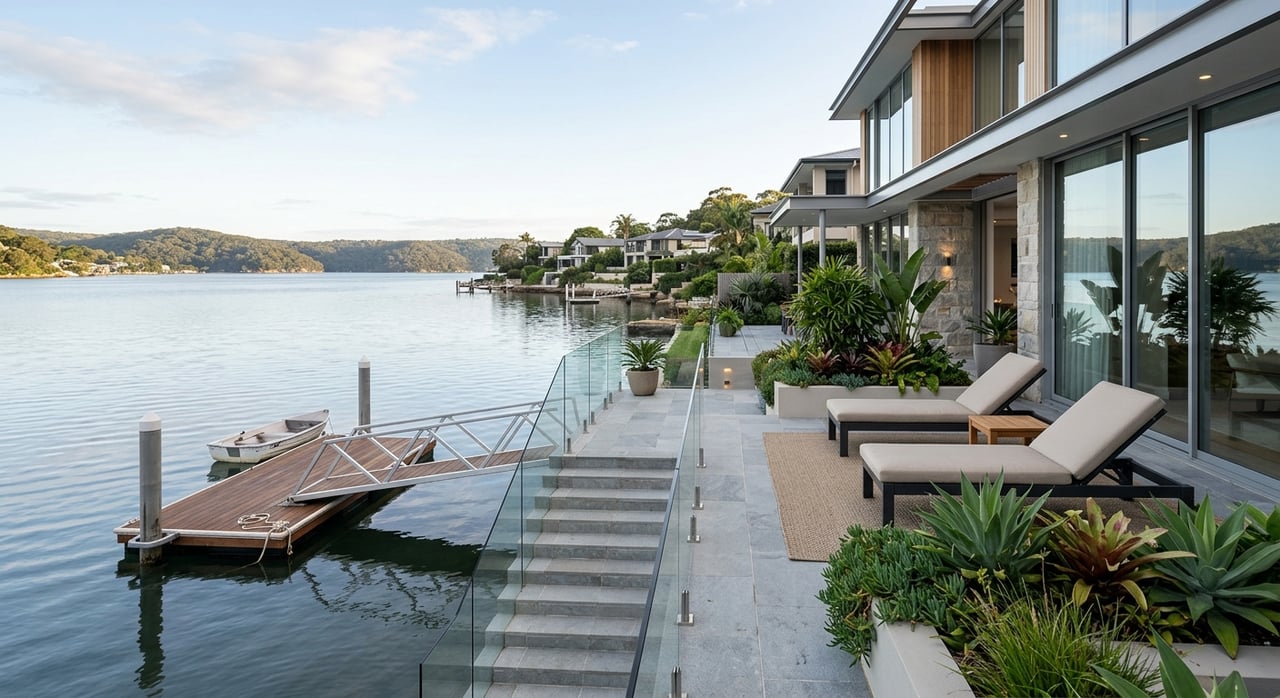
If your ideal Sarasota day starts with coffee by the water and ends with a sunset cruise, your home search needs to do more than find a pretty view. In Sarasota, the boating lifestyle is shaped by where you launch, how you store your boat, and how easily you can get on the water. This guide will help you understand the local waterfront setup, compare home types, and focus on the details that matter most before you buy. Let’s dive in.
Sarasota's Waterfront Lifestyle
Sarasota County offers more than one version of waterfront living. The county includes Sarasota, Venice, North Port, and Longboat Key, and it identifies five major watersheds: Sarasota Bay, Little Sarasota Bay, Dona/Roberts Bay, Myakka River, and Lemon Bay.
That variety gives you several ways to enjoy the water. Depending on your goals, you may be looking for bayfront living, Intracoastal access, canal-front property, or a home near the river.
Sarasota County also reports 37 miles of open Gulf shoreline. That helps explain why boating, beach access, and coastal recreation are such a central part of daily life here.
One important local detail is that Sarasota Bay is a protected, shallow lagoon with extensive seagrass coverage. According to the Sarasota Bay Estuary Program, that means tides, channel awareness, and boat draft matter more here than they might in deeper-water markets.
For many buyers, that changes the home search right away. A property can look perfect on paper, but if access is tricky at low tide or the water depth does not fit your boat, the lifestyle may not work as smoothly as you hoped.
Public Access Makes Sarasota Flexible
You do not need a private dock to enjoy boating in Sarasota. The area has a strong network of public ramps, launch points, and marinas that supports both full-time residents and occasional boaters.
In the city, Ken Thompson Park on City Island is one of the best-known public launch spots. It offers a public ramp on Sarasota Bay with 24-hour access, five lanes, trailer parking, canoe and kayak launching, restrooms, walking paths, and a fishing pier.
Centennial Park Boat Ramp near downtown Sarasota is another key option. The city lists paid parking there at $5 per vehicle and $10 per vehicle with a trailer, so it is worth factoring launch costs into your routine if you plan to trailer often.
Beyond downtown Sarasota, you will also find launch options along the broader county waterfront corridor. Venice Marina Park and Boat Ramp on the Intracoastal Waterway has a public launch, restrooms, benches, and a life-jacket loaner station, while Higel Marine Park offers both a public boat launch and a canoe and kayak launch.
The bigger takeaway is simple: Sarasota boating is not tied to one shoreline. Public access is spread across the area, which gives you more flexibility when choosing between a waterfront home and an off-water property.
Marinas Are Part of the Lifestyle
Sarasota's boating culture goes well beyond ramps and trailers. The area also has a strong marina network, which can make life much easier if you want frequent water access without the effort of launching every trip.
The Sarasota Bay boating map lists full-service marinas including Marina Jack, Siesta Key Marina, Hidden Harbor Marina, Turtle Beach Marina, Casey Key Marina, Dockside Store/Gulf Harbor Marina, Crow's Nest Rest and Marina, and Fisherman's Wharf Marina and Dockside Grill. For many buyers, access to this kind of marina network expands the range of homes that can support a boating lifestyle.
Boating also blends naturally into the local dining scene. The same local map highlights restaurants with docking, including O'Leary's Tiki Bar and Grill, Phillippi Creek Oyster Bar, Ophelia's on the Bay, and Pop's Sunset Grill.
That dock-and-dine culture is a big reason buyers are drawn to Sarasota. When your boat is easy to access, the water becomes part of your regular routine instead of something you save for special weekends.
Three Home Setups to Consider
Most Sarasota buyers looking for a boating lifestyle end up comparing three basic paths. Each one can work well, but the right fit depends on how often you boat and how much day-to-day effort you want.
Dock-Ready Waterfront Homes
If you want the most direct access, a single-family waterfront home with private dock potential is often the first choice. This setup can be especially appealing if you want to keep your boat at home and head out without dealing with a ramp or marina schedule.
In Sarasota, though, the dock itself is only part of the story. The City of Sarasota's dock requirements show that buyers need to think about site plans, lift details, related structures, and in open bay waters, a signed and sealed bathymetric survey to verify water depth.
That means a waterfront lot should be evaluated for more than frontage and view. Water depth, seawall condition, permitting, and whether a dock or lift can legally and physically fit all matter.
The city also notes that Sarasota is largely built out, with significant waterfront redevelopment in areas such as Bird Key and Lido Key. Many older waterfront homes are being replaced with new construction that must meet current elevation and hurricane-code requirements.
Condos and Townhomes With Water Access
If you want a lower-maintenance ownership style, a condo or townhome can still support your boating goals. In many cases, the best fit is not simply a unit with a water view, but one that is close to marinas, bayfront parks, or built-in boating access.
This is especially useful for seasonal residents and second-home buyers who want to keep ownership simpler. Instead of managing a private dock, you may prefer a property where the boating piece is handled through a marina or nearby launch option.
The key question is practical: where will the boat live, and how much friction is involved in getting it on the water? In Sarasota, that question often matters more than whether the balcony faces the bay.
Off-Water Homes for Trailering
An off-water home can be a smart choice if you boat occasionally or want to keep ongoing costs lower. This setup often works best when the property has useful garage, driveway, or storage space and sits within easy reach of a public launch.
For some buyers, this option offers the best balance of value and flexibility. You can focus your budget on the home itself while still taking advantage of Sarasota's public ramps and launch network.
The tradeoff is convenience. You will need to account for hauling, parking, launch timing, and the reality that busy public sites may add time and effort to each outing.
Trailering vs. Slip Access
One of the most useful decisions you can make early is whether you want to trailer your boat, keep it in a marina slip, or store it at a private dock. In Sarasota, that choice usually shapes your home search more than the view alone.
When Trailering Makes Sense
Trailering often fits buyers who boat occasionally, own smaller boats, or want to avoid recurring dockage costs. It can also work well if you like the flexibility of launching from different parts of the county.
If this is your plan, look closely at storage space and route convenience. A home that looks great online may be less practical if trailer storage is tight or the nearest launch becomes a hassle during busy weekends.
When a Slip Fits Better
Slip-based ownership usually works best for buyers who boat often, own larger vessels, or want to remove launch-day logistics from the equation. Sarasota's marina inventory makes this option especially attractive for people who want boating to feel like part of daily life.
If you are comparing slip access, pay attention to whether the slip is deeded, leased, or transient. You should also confirm whether the marina can handle your boat's length and draft, and understand the property's storm procedures.
Why Depth and Tides Matter Here
Sarasota rewards buyers who get specific about the kind of boating they plan to do. Because Sarasota Bay is shallow and rich with seagrass, local navigation conditions affect how convenient a home will really feel.
The Sarasota Bay Estuary Program advises boaters to know their tides, stay in marked channels, use polarized sunglasses, and respect seagrass beds. It also notes that boats can get stuck at low tide.
For you as a buyer, that means boat draft and tide tolerance are not minor technical details. They can directly affect which waterfront homes, canals, or marina setups make sense for your routine.
Flood and Storm Planning Matters Too
Waterfront ownership in Sarasota also comes with planning responsibilities. The City of Sarasota's floodplain management plan notes that coastal areas face storm surge, tidal flooding, and heavy-rain flooding.
That does not mean waterfront living is off-limits. It means your decision should balance lifestyle goals with your comfort level around flood exposure, evacuation planning, and insurance costs.
This is another reason a clear buying strategy matters. The best boating property is not just the one with the nicest dock photo. It is the one that fits how you plan to live, boat, maintain, and prepare.
Public Bayfront Access Keeps Growing
Buyers who want to stay connected to the water without owning directly on it should also keep an eye on public bayfront improvements. The Bay Park has grown into 53 acres of city-owned land along Sarasota Bay, and the city says the park has already attracted more than 920,000 visitors since opening in 2022.
Phase 2 is planned to add day docks and a bayfront restaurant. For homeowners nearby, projects like this can add meaningful lifestyle value by expanding the ways you enjoy the bay even when you are not heading out by boat.
How to Choose the Right Sarasota Boating Home
If you are serious about Sarasota living for boaters and waterfront lovers, start with the lifestyle mechanics first. Before you fall in love with a view, decide how you want your boating days to work.
A few questions can quickly narrow your options:
- Do you want a private dock, a marina slip, or easy trailer access?
- How often do you expect to boat each month?
- What are your boat's length, draft, and storage needs?
- Are you comfortable with flood and storm planning tied to waterfront ownership?
- Do you want lower-maintenance condo living or direct single-family access?
When you answer those questions early, your search becomes much more focused. You can spend less time chasing listings that look appealing online and more time identifying the properties that truly fit your routine.
Whether you are relocating, buying a seasonal home, or looking for a full-time waterfront lifestyle, local guidance matters in a market this nuanced. If you want help narrowing the right neighborhoods, home types, and access options for your boating goals, connect with The Francis Group for a personalized consultation.
FAQs
What makes Sarasota different for boaters buying a home?
- Sarasota offers several waterfront styles, including bayfront, Intracoastal, canal-front, and river-adjacent living, and local boating decisions are shaped by shallow water, tides, channels, and seagrass conditions.
What public boat ramps are available in Sarasota?
- Sarasota has public launch options including Ken Thompson Park on City Island, Centennial Park Boat Ramp in downtown Sarasota, Venice Marina Park and Boat Ramp, and Higel Marine Park.
What should Sarasota buyers check before buying a dock property?
- You should confirm water depth, seawall condition, dock and lift feasibility, and permitting requirements, since waterfront suitability involves more than frontage or views.
Is a condo a good option for Sarasota boaters?
- A condo can work well if you want lower-maintenance ownership and plan to rely on nearby marinas, bayfront access, or launch points instead of a private dock.
Do new Sarasota boaters need a safety card in Florida?
- In Florida, anyone born on or after January 1, 1988, who operates a motorboat of 10 horsepower or more must complete an approved boating safety course and carry a Boating Safety Education ID Card.
What flood risks should waterfront buyers consider in Sarasota?
- The City of Sarasota notes that coastal properties may face storm surge, tidal flooding, and heavy-rain flooding, so buyers should consider insurance costs, storm readiness, and evacuation planning when evaluating waterfront homes.