Thinking about spending winters in Sarasota but not sure if a condo or a single-family home fits you best? You are not alone. Many snowbirds want easy upkeep, solid storm preparedness, and the option to rent when they are away. The right choice comes down to cost, rules, risk, and how you want to live.
In this guide, you will compare real costs and responsibilities, understand HOA and rental rules, weigh insurance and hurricane factors, and map lifestyle tradeoffs across Sarasota. By the end, you will know how to choose with confidence. Let’s dive in.
Condo vs. house: quick take
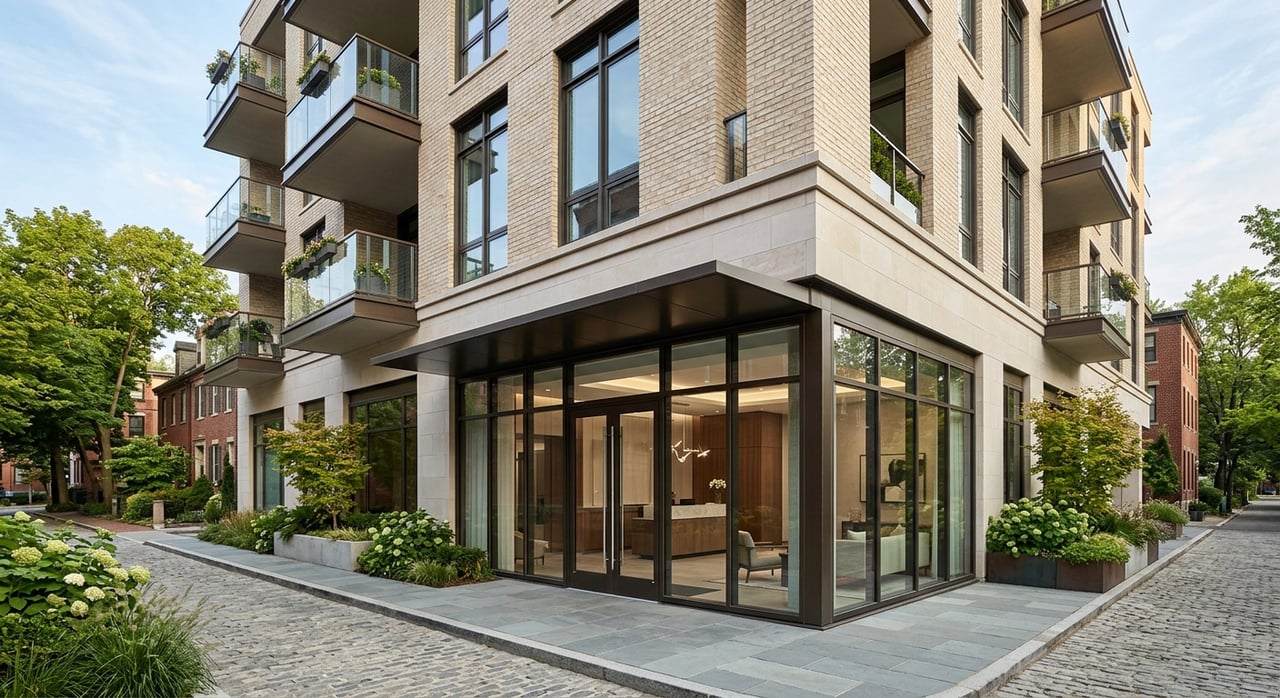
- Condo strengths: Lower hands-on maintenance, exterior and common-area care handled by the association, amenities, and often great locations close to beaches or downtown. Predictable HOA dues but potential for special assessments.
- Condo tradeoffs: Association rules can limit rentals, pets, and renovations. Financing and resale can depend on project eligibility and overall building health.
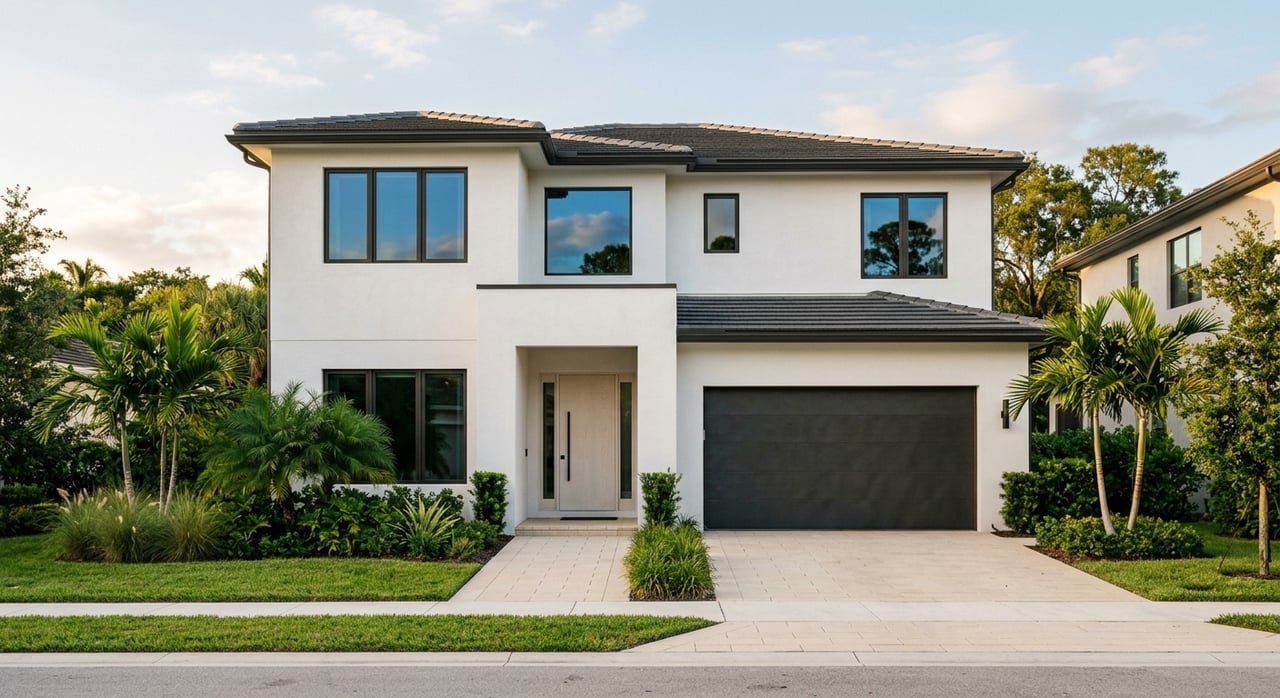
- House strengths: More space and privacy, yard or pool, flexible rental strategies, and broad buyer appeal on resale. Often lower or no HOA dues in some neighborhoods.
- House tradeoffs: You handle the roof, exterior, yard, pool, pest control, and storm readiness. Absentee ownership usually requires paid services or a property manager.
What snowbirds value most
- Low upkeep while away: Condos often simplify exterior care. Homes require service contracts for lawn, pool, and pest control.
- Storm and flood preparedness: Impact windows or shutters, clear hurricane plans, and the right insurance mix are essential for both property types.
- Flexibility to rent: Rules vary widely. Many condos restrict short-term rentals. Single-family homes can be more flexible, but local ordinances still apply.
- Predictable costs: HOA dues make condo costs more predictable, though assessments can change the math. Homes have more variable maintenance costs.
- Access and convenience: Proximity to beaches, dining, arts, healthcare, and SRQ airport may tilt your choice toward a specific location or property type.
Cost factors to compare
Purchase price and market dynamics
Sarasota offers a mix of downtown and barrier-island condos and inland single-family neighborhoods. Entry price and liquidity vary by area and building age. Single-family homes often attract a wider buyer pool. Condos may deliver premium locations, but some high-rise buildings can exceed single-family prices.
HOA and association dues
- Condos: Dues usually cover exterior maintenance, roof, landscaping, building insurance through a master policy, and amenities like pools or fitness rooms. Dues can rise or be supplemented by special assessments, especially in older waterfront buildings.
- Single-family HOAs: Many neighborhoods have lower dues focused on common areas and covenants. Structure and yard care are usually your responsibility.
Maintenance and services
- Single-family: Budget for roof and exterior upkeep, painting, landscaping, irrigation, pool service, pest and termite contracts, and HVAC maintenance. If you are away, expect to pay for property checks and vendor coordination.
- Condo: You are largely responsible for interior elements. The association typically handles the building exterior, roof, and common areas.
Insurance
- Single-family: Expect a homeowner policy, windstorm coverage, and flood insurance if required by your lender or risk zone. Florida premiums have risen in recent years.
- Condo (HO-6): Covers interior improvements and contents. The association’s master policy insures the structure and common areas. Confirm whether the master policy is bare walls, single entity, or all-in, and whether flood insurance is required.
Property taxes and homestead
Florida’s homestead exemption and assessment cap apply to a primary residence. Many snowbirds do not claim it unless they make Florida their permanent domicile. Check Sarasota County filing rules and deadlines before you buy.
Utilities and included services
Condos often include some utilities like water and trash in monthly dues. Single-family homes have separate utility bills and can add costs for irrigation and pool systems.
Rental taxes and fees
Short-term rentals typically require state sales tax and local tourist development or transient rental taxes, plus possible registration or inspections with the city or county. Condo associations and neighborhoods may add further restrictions.
One-time and transactional costs
Expect typical closing costs and inspections for either property type. Condos may include transfer fees and estoppel or resale certificate fees, plus time to review association documents. Houses may call for roof, pest, septic, seawall, or pool inspections.
Insurance and risk in Sarasota
Hurricanes, storm surge, and flooding are key considerations. Evaluate each property’s FEMA flood zone and local evacuation level. Lenders often require flood insurance in certain zones.
For condos, understand how the master policy and your HO-6 policy work together, especially for interior finishes and improvements. After major storms, claims and repairs may be coordinated through the association, so review its financial strength, reserve study, and any history of special assessments.
For both condos and homes, plan for storm season: impact-rated windows or shutters, secure storage for outdoor items, a generator plan if appropriate, and someone to check the property after a storm.
HOA rules and rentals
Florida’s condominium law allows associations to set rental rules within state limits. Many buildings require minimum lease terms and restrict short-term rentals. Before you buy, request full governing documents, budgets, reserve studies, meeting minutes, insurance summaries, and any pending litigation details.
City of Sarasota and Sarasota County have their own rules for transient rentals and occupancy that may include registration, inspections, and safety or parking standards. Even if local rules allow short-term rentals, your association or neighborhood may not.
If you plan to rent, review taxes and IRS guidance on personal use. If you rent your dwelling for fewer than 15 days in a year, current IRS rules indicate you do not have to report the rental income. Confirm details with a tax advisor.
Financing and resale
Lenders often require condos to meet project eligibility standards. Older or small buildings, or those with significant rental ratios or deferred maintenance, may not qualify for some loan programs. That can narrow your buyer pool on resale.
Single-family homes generally appeal to a broader audience and can reflect land value over time. On the condo side, well-managed buildings with healthy reserves and clear rules can also sell well. Your exit strategy should factor into your choice.
Absentee owner setup
- Property management: Seasonal check-ins, vendor coordination, emergency response, and rental turnover support are common services. Long-term rental management typically runs about 8 to 12 percent of collected rent. Short-term management often ranges from 20 to 40 percent of revenue, plus housekeeping and supply fees.
- Humidity and HVAC: Keep humidity low while you are away using AC settings or a dehumidifier to reduce mold and mildew risk.
- Pest and corrosion: Plan for termite coverage and periodic pest treatments. Coastal homes and condos may need corrosion-resistant hardware.
- Security and access: Smart locks, cameras where allowed, and remote thermostats help you monitor from afar. Coordinate power and water settings for safety and maintenance.
Lifestyle and location tradeoffs
- Waterfront or beach condos: Walkability to Siesta, Lido, or Longboat, access to arts and dining, and often on-site staff. Expect higher HOA fees, potential flood exposure, and rental limits in many buildings.
- Inland single-family homes: Space for guests, private outdoor areas, and more control over rentals. Factor in service contracts while you are away and potential distance from beaches.
- Seasonal priorities: Consider proximity to healthcare, airport access, social events, and parking. Pet policies and noise rules matter, especially in dense areas.
How to choose: step-by-step
- Clarify how you will use the home. Seasonal only, rent part-time, or transition to full-time later.
- Set your total cost budget. Include HOA dues, insurance, utilities, services, and property management.
- Map risk and insurance needs. Check flood zones and evacuation levels and price insurance.
- Review rules early. For condos, read rental and pet policies, budgets, and reserve studies before you commit.
- Test the lifestyle. Spend time near your top-choice areas during peak season for a realistic feel.
- Plan absentee services. Line up lawn, pool, pest, and property checks, or a manager with storm response know-how.
- Think about resale and financing. Confirm condo project eligibility if you need a loan and consider your future buyer pool.
- Decide with confidence. If you prefer lock-and-leave simplicity near the sand, a condo may fit. If you want space and rental flexibility, a single-family home can work well.
Due diligence checklist
Property specifics
- FEMA flood zone and, if applicable, an elevation certificate
- Insurance quotes for homeowners, wind, and flood
- Current property tax assessment and homestead eligibility rules
- Distance to healthcare, groceries, airport, and seasonal services
Condo items
- Full governing documents, budgets, reserve study, and recent meeting minutes
- Master insurance summary and unit owner responsibilities
- Rental policy details, occupancy limits, and any pending litigation or special assessments
- Lender approval status if financing is needed
Single-family items
- Roof, HVAC, pool equipment, pest and termite contracts, septic or seawall if present
- Neighborhood covenants and rules, if any
- Estimates for lawn, pool, pest, and property management while away
- Wind mitigation features that may reduce premiums
Rental and management
- Local rental rules and taxes for city and county
- Property management contracts and fee structure
- Hurricane plan for shutter installation, post-storm checks, and claims handling
Ready to explore options in Sarasota with a team that understands seasonal living and cross-state moves? Reach out to The Francis Group for a clear plan, vetted property options, and introductions to trusted local lenders and managers.
FAQs
Is a Sarasota condo cheaper to own than a house?
- It can be if you value reduced maintenance, but HOA dues and potential special assessments can offset savings compared with a single-family home’s service contracts.
Can I do short-term rentals in a Sarasota condo?
- Many condos limit short-term rentals through minimum lease terms or caps, and local city or county rules may apply, so verify association documents and local regulations before you buy.
How do hurricanes affect condos versus houses in Sarasota?
- Risk depends on location and elevation; both property types can face wind, storm surge, and flood exposure, so confirm flood zones, insurance needs, and storm-readiness features.
Are condos harder to finance than single-family homes?
- Some condo projects do not meet certain loan program standards, which can narrow financing options and impact resale, so check project eligibility early in your search.
Can I claim the Florida homestead exemption as a snowbird?
- Only if you establish Florida as your permanent residence and meet filing rules; many snowbirds keep primary residency elsewhere and do not claim the exemption.
What management help do I need if I am away for months?
- At minimum, plan for periodic property checks and vendor coordination; full-service management can handle emergencies, routine care, and rentals for a percentage of rent.