Thinking about a low-maintenance home in Lakewood Ranch with a full social calendar and easy access to care and travel? You are not alone. Many retirees and seasonal buyers look here for a relaxed lifestyle with modern amenities, but the details of 55+ rules, HOA fees, and what is included can feel overwhelming. In this guide, you will learn how Lakewood Ranch 55+ communities work, what types of homes and amenities to expect, how HOA and HOPA rules affect your purchase, and smart steps to take before you buy. Let’s dive in.
Why Lakewood Ranch works for 55+
Lakewood Ranch is a large master-planned community spanning parts of Manatee and Sarasota counties. You get a wide mix of single-family homes, villas, and condo-style options along with village centers and preserved open space. That range is a major draw if you want maintenance-managed living and a built-in community.
Healthcare access is a priority for many buyers. In and around Lakewood Ranch, you will find hospitals, specialty providers, and urgent care within a short drive. Travel is straightforward as well, with Sarasota-Bradenton International and Tampa International typically within about 30 to 75 minutes.
Florida’s subtropical climate brings mild winters that snowbirds love. You should also plan for hurricane season, which runs from June through November 1. For each property you consider, check flood zones and elevation, and factor wind and flood insurance into your budget.
Because Lakewood Ranch crosses county lines, verify whether a property sits in Manatee or Sarasota County. County differences impact property tax rates, permitting, and local services.
Community types and homes
Age-restricted vs age-targeted
Some neighborhoods are legally age-restricted under federal rules, while others are simply marketed to active adults. Age-restricted communities follow specific policies and age verification. Age-targeted places may feel similar in lifestyle but are not governed by the same rules.
Typical home choices
You will find:
- Single-family homes on low-maintenance parcels
- Villas and coach homes with smaller lots and exterior care included
- Condo-style options where the HOA manages the exterior
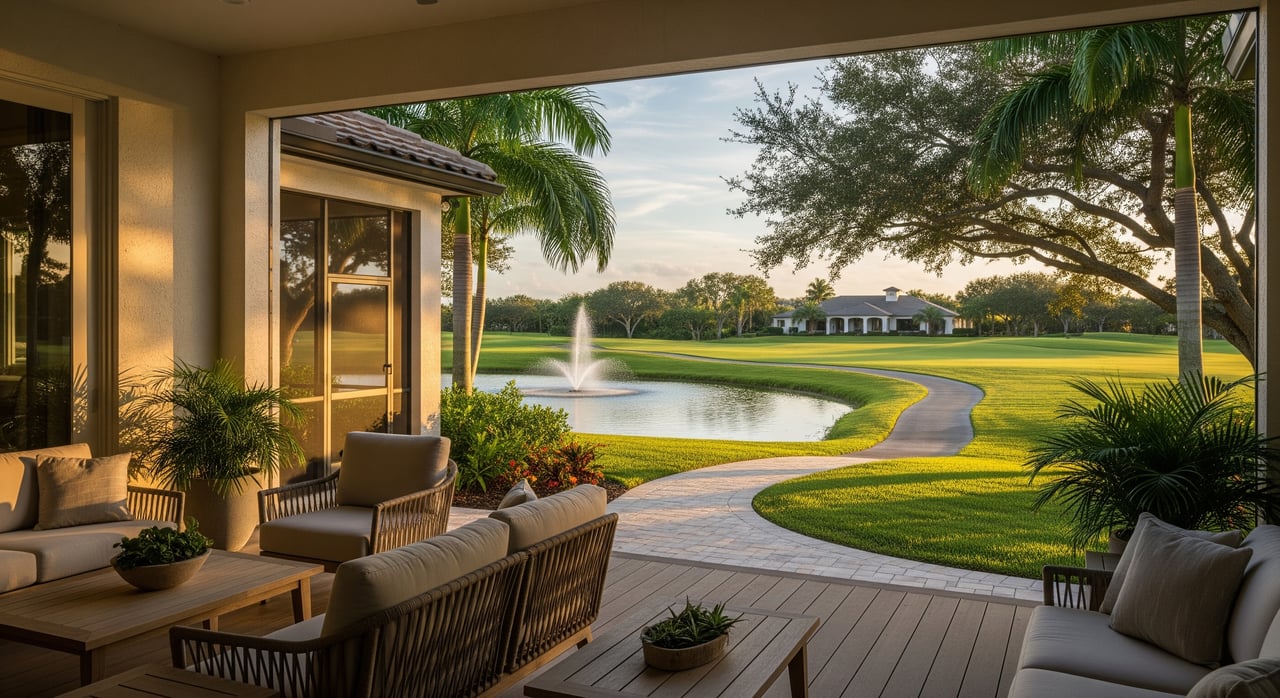
- Golf or resort-style communities that may be age-targeted and carry higher amenity fees
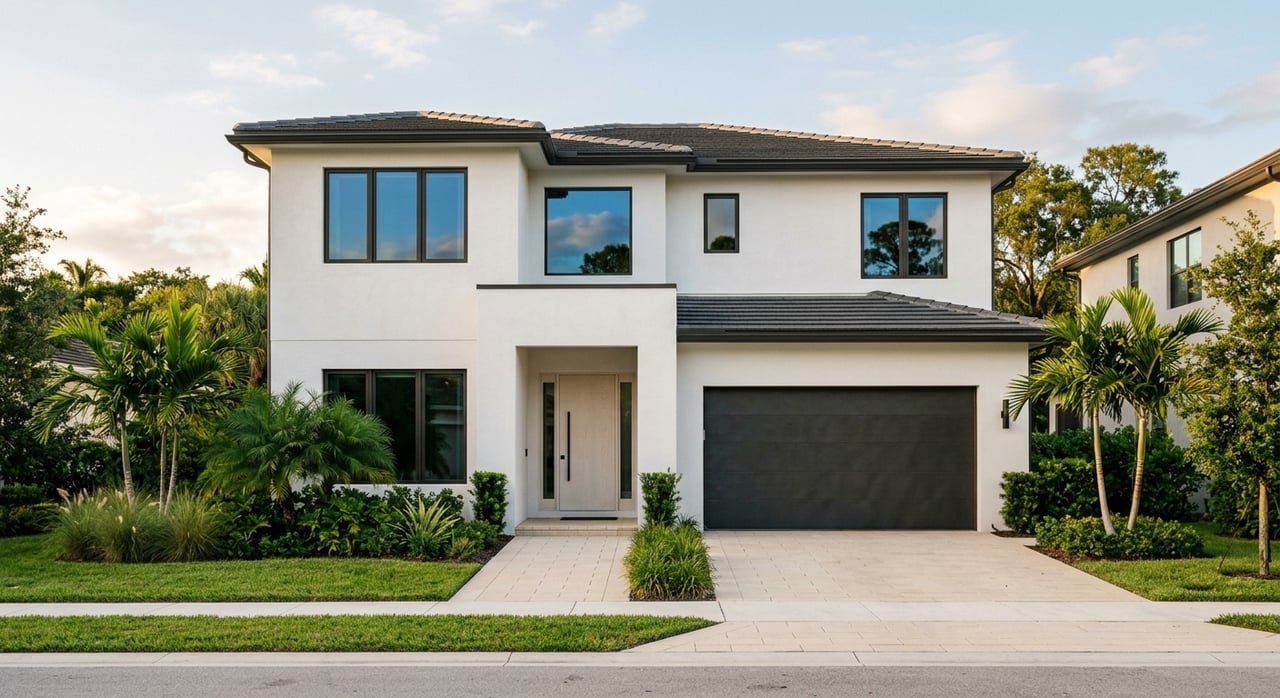
Popular features include one-level living or first-floor primary suites, step-free entries, wider doorways, open plans, and lanais for year-round outdoor living.
New construction vs resale
New-build, age-targeted neighborhoods often highlight a lifestyle package with model clubhouses and planned activities. Resale homes can offer larger lots or unique upgrades. Do not assume every resale includes the same services or rules you see in a new neighborhood. Confirm each community’s actual inclusions and policies.
Amenities and lifestyle
On-site amenities
Most 55+ communities in the area offer an amenity mix such as:
- Clubhouses with multi-purpose rooms
- Fitness centers, group exercise studios, and pools
- Walking and biking trails
- Pickleball and tennis courts
- Arts and crafts rooms and card rooms
- Cafés or event spaces in larger developments
- Golf in select resort communities
Programs and social life
Plan on a busy calendar. Many communities hire lifestyle coordinators who organize clubs, wellness classes, volunteer opportunities, lectures, and trips. Seasonal activity usually peaks in winter when snowbirds are in residence.
Services and tradeoffs
HOA services can include exterior maintenance, irrigation, and pest control. Some attached products may bundle roof or structure coverage. A broader amenity and service set usually means higher monthly fees, so weigh convenience against cost.
HOA rules and HOPA basics
How the 55+ rule works
Under the federal Housing for Older Persons Act, many 55+ communities maintain an exemption that requires at least 80% of occupied homes to have one resident who is 55 or older. Communities must publish policies and verify ages to remain compliant.
Master vs sub-associations
In a master-planned setting like Lakewood Ranch, you may pay into a master association and a village or neighborhood association. Confirm which amenities and services each association manages and the total of all fees.
Rules to review
Common rules include pet policies, rental and lease restrictions, guest rules, and exterior modification guidelines. Ask about any proposed changes that could affect your plans.
Financing and resale factors
If you are considering a condo or attached product, expect more lender review of the association’s reserves, owner-occupancy levels, and any litigation. Rental policies can affect resale demand and investor interest. For seasonal use, confirm whether leasing is allowed and any registration requirements.
Costs, fees, and budgeting
HOA fees vary widely. In Florida active-adult settings, fees can range from the low hundreds per month to well over $1,000 per month in resort or golf communities. Fees depend on whether you are in a master association, the level of staffing and amenities, and whether exterior maintenance or insurance is included.
Ask for a breakdown of what your fees cover. Typical line items include common-area landscaping, clubhouse and pool operations, staffing, security, and reserves for future repairs. Do not assume utilities, cable, or individual home insurance are included.
Seasonal buyer essentials
Taxes and homestead
Florida’s homestead exemption applies to primary residences. Seasonal buyers who keep their primary residence elsewhere typically cannot claim the exemption. Plan your tax budget accordingly.
Insurance and maintenance
Confirm HOA policies for exterior care and emergency access when you are away. Many seasonal buyers arrange local contacts or property managers for periodic checks during off-season months and storm events.
Renting while away
If you hope to rent the property when you are not in residence, verify the HOA’s rental rules and any minimum lease terms. Some 55+ communities limit short-term rentals or require approval and registration.
Smart due diligence checklist
Use this list as you compare communities:
- Confirm county jurisdiction for property tax and service differences
- Verify age-restriction enforcement and HOPA compliance
- Request HOA budget, reserve study, CC&Rs, bylaws, and recent meeting minutes
- Review pet policies, rental rules, and any pending changes
- Get the full schedule of fees for master and sub-associations and any assessment history
- Ask for litigation disclosures and the HOA’s insurance summary
- Check flood zone, request an elevation certificate if applicable, and get wind and flood insurance quotes
- Map drive times to preferred medical providers and airports
- Review the current community calendar and programs
- For resales, request recent utility and maintenance invoices
- For new builds, ask about future phases and the timeline for promised amenities
How we help
Choosing the right 55+ fit in Lakewood Ranch comes down to clarity on rules, costs, and lifestyle. Our team understands the needs of retirees and seasonal buyers, including cross-state movers who split time between the Midwest and Florida. We help you compare communities, vet HOA documents, understand fee structures, and align the home type with how you want to live.
If you are exploring new construction and resales, we will coordinate tours, request calendars and budgets, and introduce trusted local vendors when you need insurance quotes or home services. When you are ready to move forward, you will have a clear plan and a confident path to closing.
Ready to find your fit in a Lakewood Ranch 55+ community? Connect with The Francis Group to start a tailored search and schedule a consultation.
FAQs
What is a 55+ community in Lakewood Ranch?
- It is an age-restricted neighborhood that follows published policies and verifies ages, typically requiring at least one occupant age 55 or older in at least 80% of occupied homes.
How does HOPA’s 80% rule affect my purchase?
- You should expect age verification during the application or closing process, and you will need to follow community guest and residency rules to help the HOA maintain compliance.
What HOA fees should I expect in 55+ neighborhoods?
- Fees vary by amenity level and services, ranging from the low hundreds per month to well over $1,000 per month in resort or golf settings, sometimes across both master and sub-associations.
Are pets allowed in Lakewood Ranch 55+ communities?
- Many communities allow pets with size or number limits, but policies differ, so review the specific HOA rules before writing an offer.
Can I rent my home seasonally in a 55+ community?
- Rental policies vary widely, and some communities limit short-term rentals or require approvals, so confirm minimum lease terms and any registration requirements early.
What should seasonal buyers plan for during hurricane season?
- Check flood zones and elevation, budget for wind and flood insurance, and arrange a local contact or property manager for off-season checks and storm readiness.
How walkable are Lakewood Ranch neighborhoods for shopping?
- Many villages include nearby retail or town centers, but walkability depends on the specific neighborhood’s location, so verify distances that match your daily routine.