What if your morning coffee came with quiet water views and the sound of loons instead of traffic? If you’re drawn to the lake life but want easy access to the Twin Cities, Orono on Lake Minnetonka offers a calm, nature-forward lifestyle with room to breathe. In this guide, you’ll learn what day-to-day living feels like, how the housing stock compares, the rules that shape lakeshore ownership, and a clear checklist to use before you buy. Let’s dive in.
Lake Minnetonka lifestyle in Orono
Day-to-day rhythm
Life in Orono revolves around the water. Boating, sailing, fishing, and lakeside get-togethers are part of the weekly cadence for many residents. You’ll find larger lots, quieter streets, and a mix of year-round and seasonal homeowners who value privacy and outdoor time.
Social life tends to center on the lake, neighborhood gatherings, and community events rather than dense nightlife. You will also notice a blend of historic cottages and newer estates, which gives each shoreline and bay its own character.
Outdoor recreation beyond the boat
You’re not limited to summer activities. Trails, nearby county and regional parks, and local golf courses make it easy to hike, bike, and cross-country ski. Wooded lots add a sense of retreat, and winter brings ice fishing and snow sports where allowed.
If you prefer a bustling retail scene in town, know that Orono keeps it low-key. For bigger shopping trips and dining variety, you’ll often head to Wayzata, Minnetonka, or Mound.
Housing types and neighborhoods
Waterfront estates
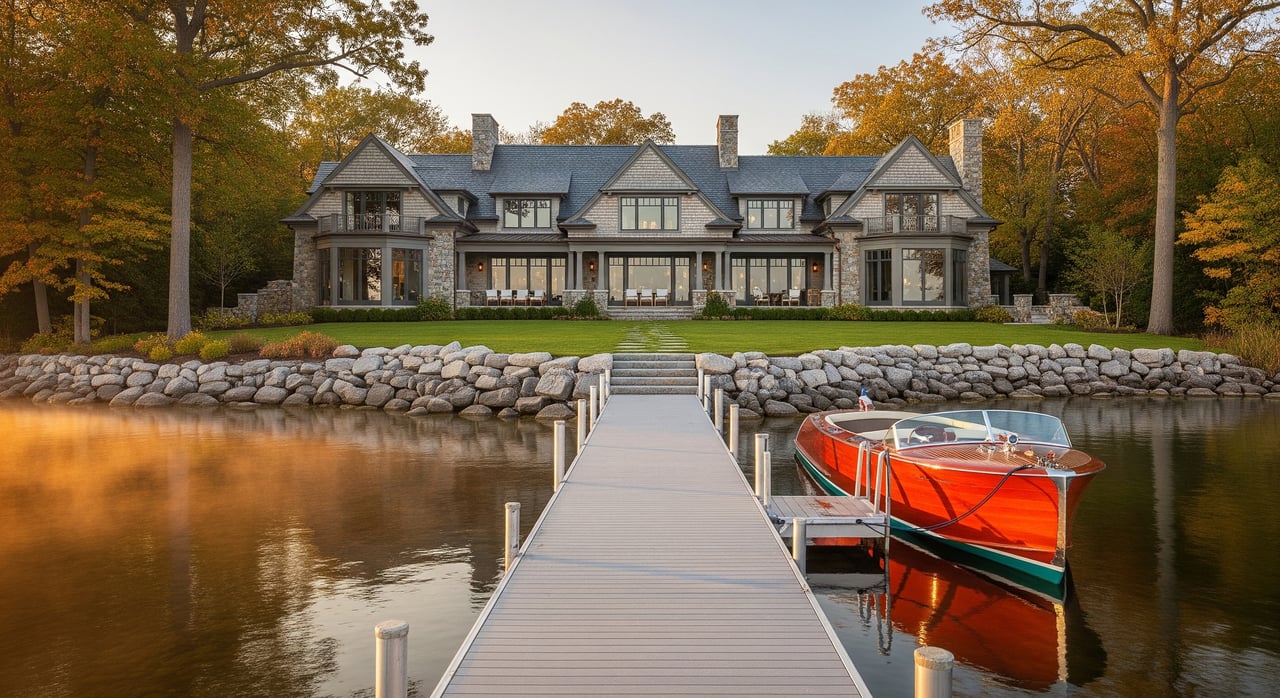
Lakeshore properties range from renovated cottages to modern custom builds. Many have private docks and sweeping views, with lot sizes that are larger than you’ll see in denser suburbs. Expect varied topography, including sloped yards to the water.
Waterfront brings direct access and daily views, but it also comes with higher purchase prices, insurance needs, and maintenance for docks and shoreline structures.
Near-lake and inland homes
If you want lake proximity without the waterfront premium, consider near-lake properties. Some have deeded access or shared association slips. Inland neighborhoods often feature custom homes on sizable lots, including wooded acreage for added privacy.
These options can lower your upfront cost while keeping you close to the water. They also reduce some of the regulatory and maintenance demands that come with shoreline ownership.
Renovate or rebuild?
A portion of Orono’s housing near the lake began as smaller, older cottages. Many have been updated, expanded, or replaced. If you’re considering a renovation or a teardown-to-rebuild, verify local setbacks, height limits, and shoreland rules before you assume anything is feasible.
Check with the City of Orono for planning, building, and permitting guidance so you understand what is allowed on a specific lot.
Costs and market dynamics
Price drivers
Orono’s housing generally sits above the Twin Cities metro median because of lake premiums and larger lots. Waterfront status, lot size, the specific bay or point, and whether a home is newer or fully renovated will drive pricing.
Interior and near-lake homes offer more range and are typically more budget-friendly than direct lakeshore.
Seasonality and competition
Lakefront listings tend to be limited and turn over less frequently than typical suburban homes. You’ll often see more inventory and showings between late spring and early fall, when lake life is in full swing.
Highly desirable shoreline parcels can draw strong interest. Being prepared with lending, inspections, and clear goals helps you compete.
Commute, transit, and daily needs
Commuting to Minneapolis
Many Orono residents commute by car to downtown Minneapolis and west-suburban job centers. Drive times vary by where you live in Orono and time of day, often described as 20 to 45 minutes when traffic flows. Routes connect to major corridors like I-394, I-494, and I-94 via regional county roads.
You can monitor road projects and travel conditions through MnDOT.
Transit and park-and-ride
Direct public transit in Orono is limited. Some residents use express options from nearby suburbs. The Metro Transit park-and-ride system can be a practical way to access buses into Minneapolis.
Ride sharing remains a common backup for evenings and airport trips.
Shopping, healthcare, and schools
Orono keeps big-box retail to a minimum. You’ll likely do day-to-day shopping, healthcare visits, and restaurant outings in nearby Wayzata, Minnetonka, or Mound. This is part of the area’s quieter, residential character.
Public school district boundaries vary by address. For the latest boundary and report information, check the Minnesota Department of Education. Many families also look at private or charter schools across the west metro that are reachable by car.
Rules that shape lake living
Dock and mooring permissions
Lake Minnetonka has layered oversight that includes local municipalities, Hennepin County, the Minnesota DNR, and the Lake Minnetonka Conservation District. The LMCD regulates many aspects of docks, moorings, and boater conduct.
Before you buy, verify existing dock rights, slip assignments, and any association rules. New or modified docks often require permits. Review the DNR Shoreland Management Program for state-level standards and best practices.
Floodplain and insurance
Some shoreline parcels fall within floodplain overlays or face erosion exposure. Review the FEMA Flood Map Service Center for flood designations tied to a specific property. Ask for history on water levels, shoreline stabilization, and any seawall or retaining wall work.
Insurance for waterfront homes can be higher. Your lender and insurer may require inspections or mitigation steps.
Septic, wells, and utilities
Not every property is on municipal water and sewer. Some homes, especially older or more outlying lots, rely on private septic systems and wells. Confirm utility type early and request septic inspections and well water tests when applicable.
For county records and property data, visit Hennepin County’s property information.
Setbacks and rebuilding
Setbacks, impervious surface limits, tree removal rules, and height restrictions can affect your plans to add on or rebuild. Always confirm with the City of Orono and reference LMCD and county standards.
Clear guidance up front prevents costly surprises later.
Lake health and shoreline care
Lake Minnetonka’s long-term health is a shared priority. You may encounter expectations around native plant buffers, runoff control, and managing aquatic invasive species. The DNR shoreland resources are a good starting point for shoreline best practices.
These steps protect your property and the broader lake ecosystem.
Buyer checklist for Orono
- Confirm shoreline, dock rights, and any association slip arrangements in writing.
- Ask about floodplain status and flood insurance; review FEMA maps for the address.
- Verify water and sewer source; if septic and well are present, order inspections and water testing.
- Request permits, variances, and maintenance records for docks, shoreline, and retaining walls.
- Review city, county, and LMCD rules before planning renovations or a teardown.
- Budget for lake-specific upkeep such as dock installation/removal, shoreline stabilization, and specialized landscaping.
- Plan for winter access and services like plowing, and ask about seasonal lake rules for snowmobiles or ice access.
- Consider commute options and park-and-ride locations if you plan to use transit.
How we help
Buying in a lake community is as much about lifestyle fit as it is about the house. You deserve a guide who understands shoreland rules, seasonal rhythms, and the tradeoffs between waterfront and near-lake living. With decades of experience and a track record across price points, our team helps you clarify priorities, validate property details, and negotiate with confidence.
If you are also planning a seasonal move between Minnesota and Florida, we offer continuity of representation across both markets to simplify your search and closing. Let’s align your wish list with the right lake home and a clear path to purchase. Start with a quick call to The Francis Group.
FAQs
What is daily life like in Orono on Lake Minnetonka?
- Expect a quiet, lake-centered routine with boating, trails, and larger lots, plus errands in nearby towns for bigger shopping and dining.
How do dock permits on Lake Minnetonka work?
- The Lake Minnetonka Conservation District regulates many docks and moorings, and city or county permits may also apply. Verify existing rights before you buy.
Are there floodplain concerns for Orono lakeshore homes?
- Some parcels fall within flood zones. Check the FEMA Flood Map Service Center and ask for any shoreline or erosion history.
What commute and transit options do Orono residents use?
- Most people drive via regional roads that connect to I-394, I-494, and I-94. Some use nearby Metro Transit park-and-ride locations for express service.
What should I know about septic systems and wells?
- Older or outlying properties may have private septic and wells. Confirm utilities and request septic inspections and well water quality tests as part of due diligence.
How competitive is buying lakefront in Orono?
- Lakefront listings are limited and often more active from late spring to early fall. Being pre-approved and ready for inspections helps you act quickly.