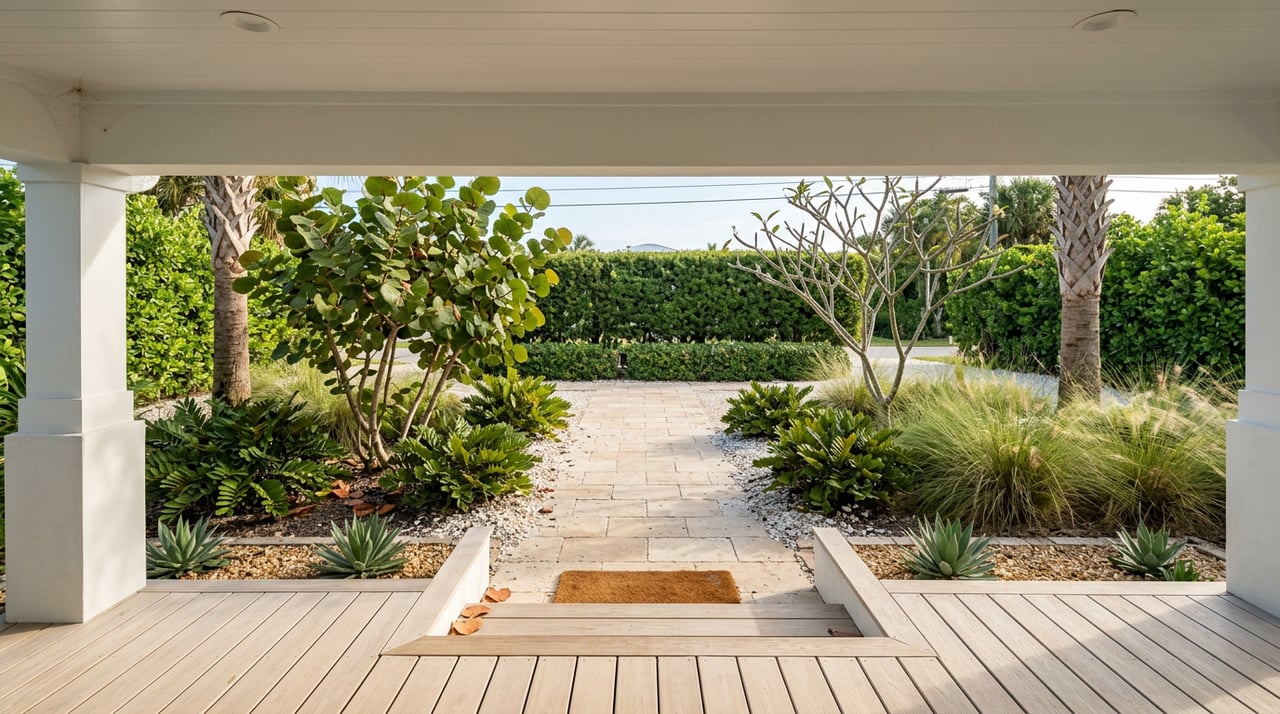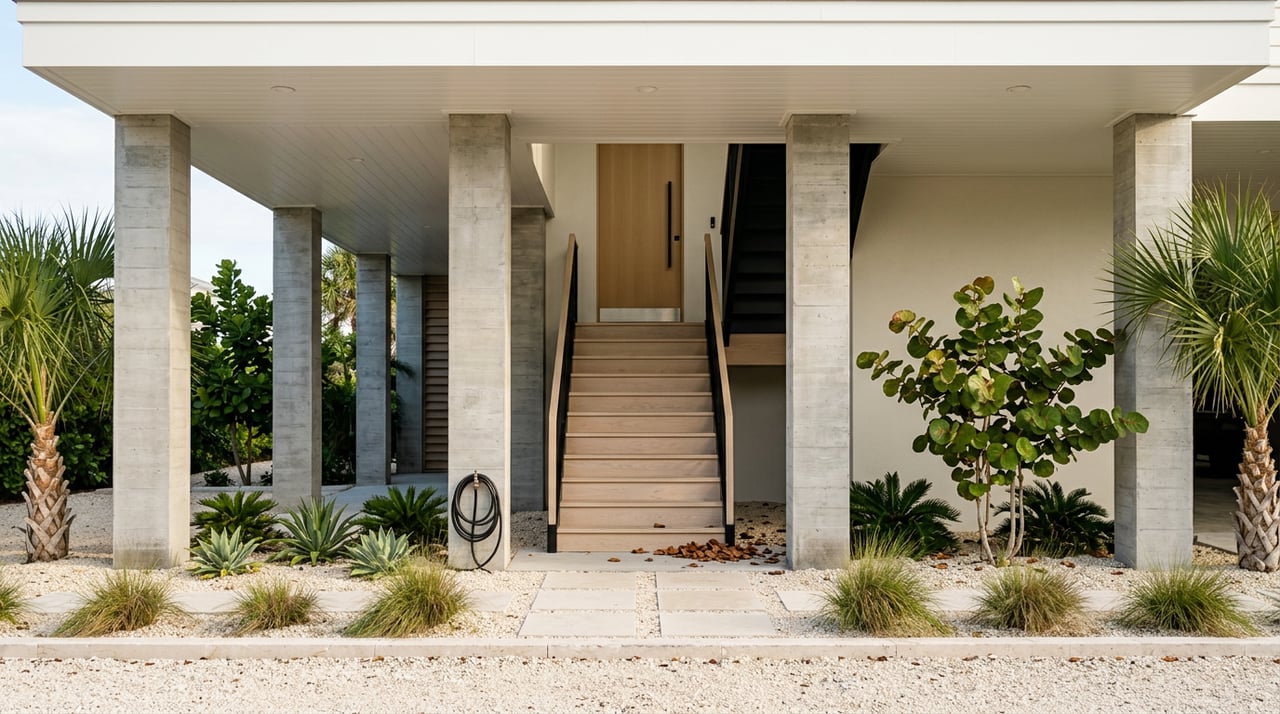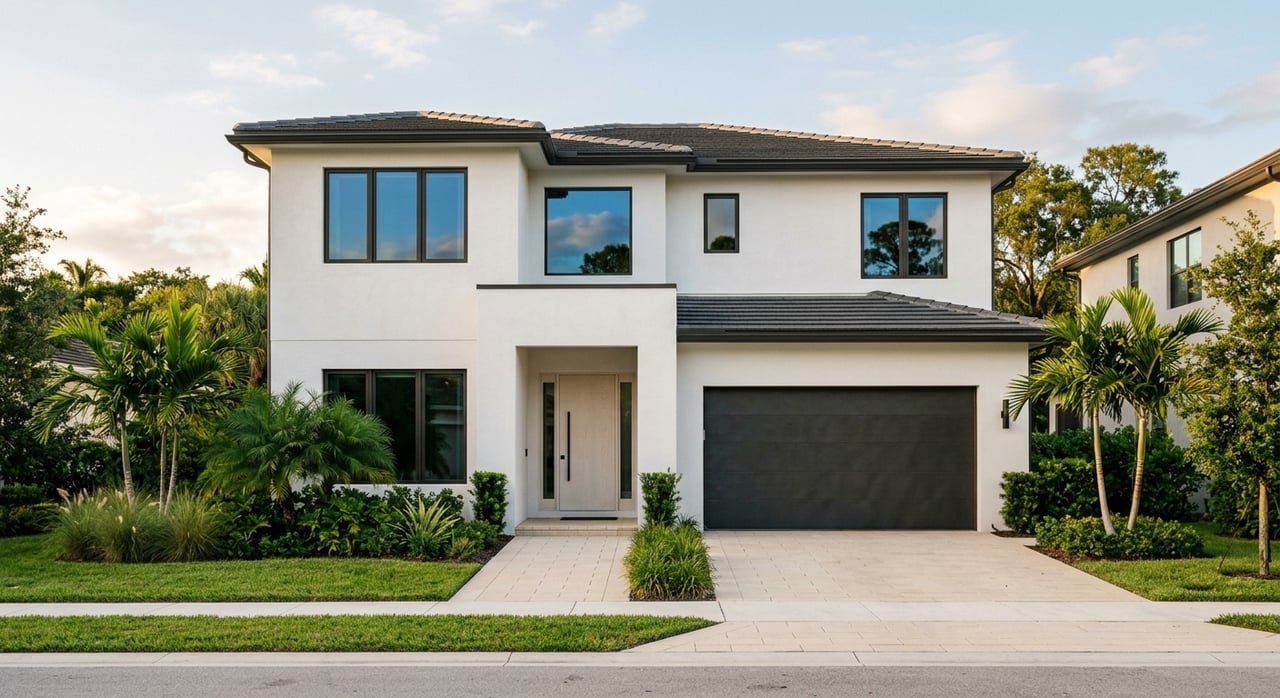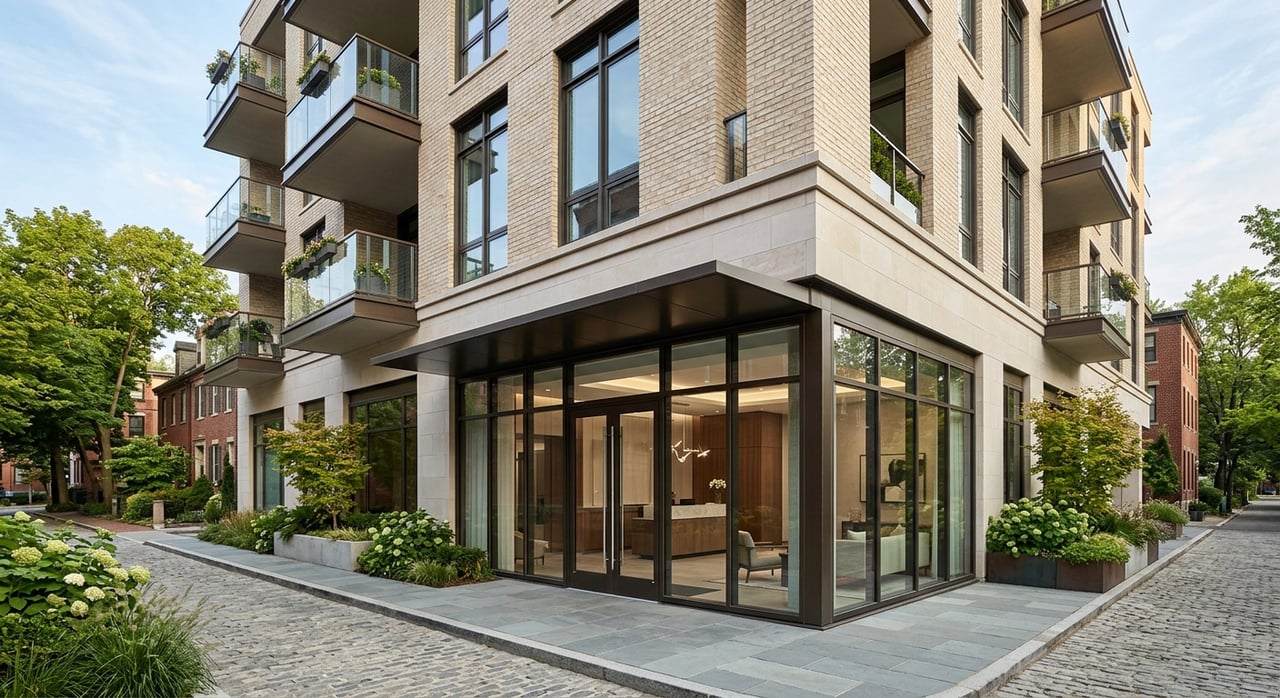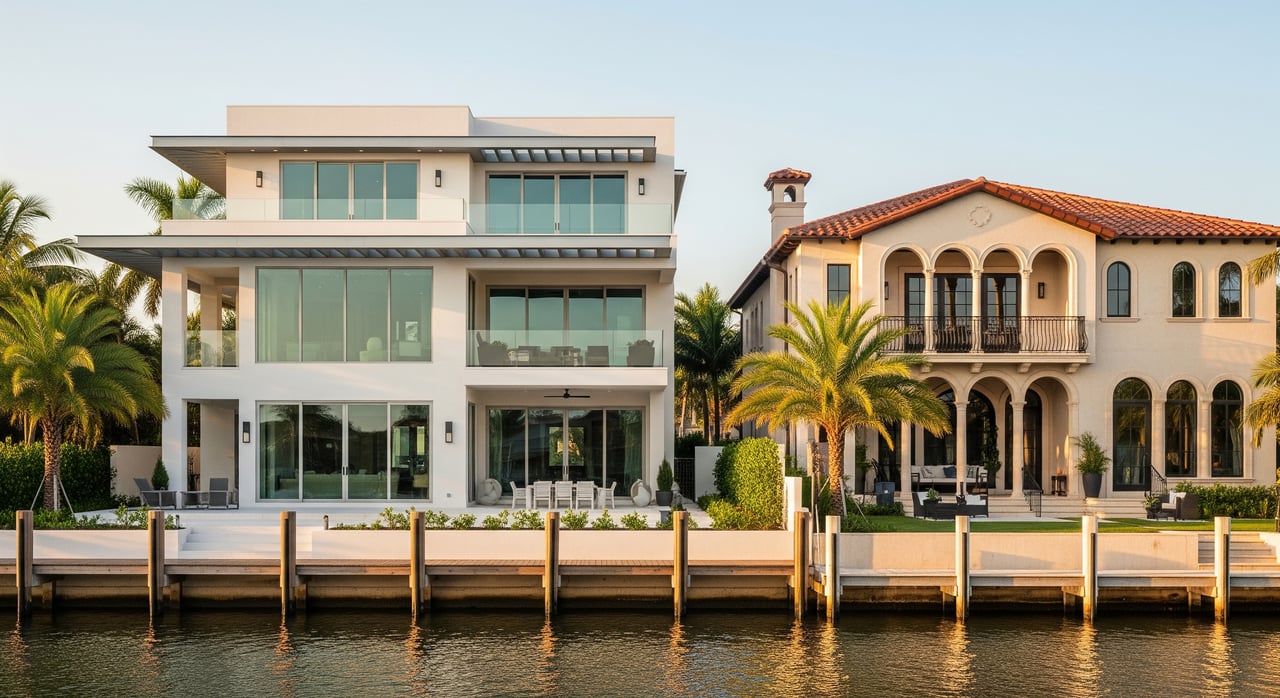
Trying to choose between a just-built home and a charming resale in Venice? Both paths can deliver the coastal lifestyle you want, yet the best fit comes down to timing, long-term costs, and location. If you love the idea of brand-new systems and amenities, new construction is compelling. If you value proximity to downtown and mature neighborhoods, resale may win. In this guide, you will learn how Venice’s options compare on price, timelines, maintenance, insurance, HOA and CDD fees, and resale value so you can move forward with confidence. Let’s dive in.
Venice options at a glance
Venice offers a mix of older, established neighborhoods and newer master-planned communities. On Venice Island and near the historic downtown, you will find mid-century to 1980s homes, smaller lots, and a walkable street grid. Some properties sit near waterways or the Intracoastal, which adds lifestyle value and special due diligence for flood risk.
Beyond the core, you will see suburban neighborhoods from the 1990s to 2010s in Venice, Nokomis, and Osprey. North and east of Venice, large master-planned areas such as Wellen Park offer new construction with single-family homes, villas, and active-adult options. Buyers often weigh proximity to beaches and downtown against larger floorplans, resort-style amenities, and HOA-managed maintenance in newer communities.
Seasonal patterns also matter. Winter months bring snowbird demand, which can affect availability and pricing. Resale inventory is common in established areas, while most new supply comes from planned communities where builders control releases and incentives.
New construction in Venice
Where you will find it
Most new construction is in master-planned communities and new subdivisions, including Wellen Park and nearby phases. You can choose from move-in-ready spec homes, semi-custom builds from a set of plans, custom homes, and in some cases new condos. Age-restricted active-adult neighborhoods are part of this mix.
Build and closing timeline
There are two common paths. A move-in-ready spec home can close in weeks to a few months. A build-from-plan or semi-custom home typically takes several months to a year from contract to move-in. Timelines can stretch due to supply-chain constraints or permitting. Coastal requirements and inspections add steps, but they also contribute to build quality.
Warranties and quality control
New homes generally include multi-part warranties. A common structure is a 1-year workmanship warranty for finishes, a 2-year systems warranty for mechanical, electrical, and plumbing, and a 10-year structural warranty. Ask who administers the warranty, what is covered, and how claims work. Even on a new build, schedule independent inspections at pre-drywall and pre-closing to catch punch-list items and document corrections.
Pricing, incentives, and ongoing fees
New homes often carry a premium for modern layouts, energy efficiency, and fresh systems. Builders may offer closing-cost credits, design upgrades, or interest-rate buydowns depending on supply and demand. In planned communities, factor recurring HOA dues and potential CDD assessments into your monthly budget. These fees can be significant and should be reviewed early.
Financing notes
If you buy a completed spec home, you will likely use a standard mortgage process. If you build, a construction-to-permanent loan may be needed, which funds in stages and can require a higher down payment and more documentation. Builders often promote preferred lenders with incentives. Compare the total cost of those incentives against independent lender pricing. Appraisals in very new phases can be tricky when few comparable sales exist, so give your lender time to gather supporting data.
Pros and cons of new construction
- Pros: Lower immediate maintenance, modern energy performance, builder warranties, and current Florida code standards for wind resistance.
- Cons: Price premium, HOA and CDD fees, potential construction delays, and a lack of mature landscaping or established neighborhood character at move-in.
Resale homes in Venice
What you will find and where
Resale inventory spans historic downtown cottages, mid-century ranch homes, waterfront properties with established trees, and suburban homes across several decades of construction. Advantages often include mature landscaping, proximity to downtown and beaches, and sometimes larger lot sizes in older areas.
Timeline and negotiation
Resale purchases can close faster than a build if financing and inspection timelines cooperate. Many conventional loans close in 30 to 45 days. After inspections, sellers may agree to make repairs or offer credits. You can often leverage inspection findings to reduce out-of-pocket work after closing.
Inspections that matter here
Plan for a general home inspection along with a termite and wood-destroying organism inspection. In Florida, a wind-mitigation inspection can validate credits that may reduce your wind insurance premium. If the home is near the coast or waterways, review the flood zone and obtain an elevation certificate when needed. Ask about roof age, HVAC age, and recent system updates to estimate near-term expenses.
Value and pricing dynamics
In Venice, established locations that are walkable or near water often command higher prices per square foot, even if the home is older. Over time, appreciation tends to be driven by location, lot quality, and neighborhood amenities more than the home’s age alone. That is why a well-located resale can compete strongly with a new build on long-term value.
Pros and cons of resale
- Pros: Mature neighborhoods, established trees and landscaping, potential for a lower initial price than a comparable new build, and clearer valuation using historic comparables.
- Cons: Possible upgrades and immediate maintenance, older systems, and potentially higher insurance if wind-mitigation features are limited or undocumented.
Florida cost factors that move the needle
Insurance environment: Florida homeowners often face higher wind and hail premiums, and some carriers limit coverage. Newer homes built to current code can qualify for better wind rates, especially with impact-rated windows and strong roof-to-wall connections. Flood insurance may be required in higher-risk zones near coastlines or the Intracoastal.
Flood zones and elevation: Review FEMA flood maps and confirm finished floor elevation. For properties in or near flood zones, an elevation certificate helps estimate flood insurance cost and guides mitigation decisions.
HOAs and CDDs: Master-planned communities often layer HOA dues with CDD assessments that fund long-term infrastructure. These are separate from property taxes and can materially change your monthly housing cost.
Property taxes and homestead: If you occupy the home as a primary residence, Florida’s homestead exemption can reduce assessed value. The Save Our Homes cap limits annual increases in assessed value for homesteaded properties. The Sarasota County Property Appraiser is your resource for parcel-specific information.
Code and construction standards: Post-hurricane code updates improved wind resistance and energy performance. Newer construction may reduce operating costs and can be easier to insure.
Utilities and septic: Some areas use septic systems. Confirm whether the home is on sewer or septic and understand any maintenance responsibilities.
Decision guide: Which fits your goals?
Choose new construction if you want modern layouts, brand-new systems, and warranties, and you are comfortable with HOA and CDD fees and a potentially longer timeline. This is a strong fit if you prefer a community with amenities and low initial maintenance.
Choose resale if you value location near beaches and downtown, mature landscaping, and a potentially faster close. This path fits buyers who are open to renovations or system upgrades in exchange for a preferred address and established neighborhood character.
If you are a seasonal or second-home buyer, consider how quickly you want to start enjoying the home. A move-in-ready spec home or a well-kept resale can have you settled before peak season. A build-from-plan may line up better with a longer move timeline.
Due diligence checklists
New construction buyer checklist
- Verify the builder’s reputation using state licensing records and local reviews. Tour past projects when possible.
- Request full warranty details, claim procedures, and transferability.
- Review HOA documents, amenity budgets, reserves, and any CDD assessment schedules.
- Confirm the construction timeline, milestone dates, and any contractual obligations at closing.
- Schedule independent inspections at pre-drywall, post-drywall, and before closing.
- Confirm flood zone, finished floor elevation, and whether flood insurance will be required.
- Clarify final utility connections and any impact or hookup fees.
- Review architectural plans and upgrade lists to confirm what is standard versus an added cost.
Resale buyer checklist
- Order a general home inspection and a termite or WDO inspection.
- Obtain a wind-mitigation inspection to document potential insurance credits.
- Order a survey and confirm easements and encroachments.
- Verify any pending special assessments for the HOA or municipality.
- Document roof and HVAC age and estimate remaining useful life for major systems.
- Obtain an elevation certificate if the property is in or near a flood zone.
Estimate your monthly housing cost
Use a simple formula to compare options:
- Principal and interest based on the purchase price and loan terms.
- Property taxes using the Sarasota County Property Appraiser as a reference for estimates.
- Insurance for wind and flood based on the home’s age, wind-mitigation features, and flood zone.
- HOA dues and any CDD assessments.
- Utilities plus a maintenance reserve. For new builds this may be modest early on. For resales, add a line item for near-term upgrades like roof, HVAC, or windows if needed.
When you apply this formula to both a new build and a resale in your target area, you will see the true monthly difference more clearly than by price alone.
How we help you compare
You deserve a clear, side-by-side picture that matches your lifestyle and financial goals. Our team guides you through Venice’s neighborhoods, from the historic core to new phases in Wellen Park, and builds a custom cost model that includes insurance, HOA and CDD fees, taxes, and expected maintenance. We coordinate inspections, review HOA and warranty documents, and connect you with trusted local lenders and insurance pros who understand coastal properties.
If you split time between Minnesota and Florida, you will benefit from seamless guidance across both markets. We focus on negotiation, process clarity, and long-term relationships, so you can choose new or resale with confidence and enjoy your time in Venice sooner.
Ready to compare real options in Venice and nearby communities? Schedule a consultation with The Francis Group to get a tailored plan and a curated list of homes that match your timing and budget.
FAQs
What is the typical timeline to buy a new build in Venice?
- A move-in-ready spec can close in weeks to a few months, while a build-from-plan often takes several months to a year from contract to move-in.
How do HOA and CDD fees affect new construction affordability?
- HOA dues and separate CDD assessments can add significant annual costs, so include both when calculating monthly housing expense.
Are newer Venice homes cheaper to insure than older ones?
- Often yes for wind coverage, since newer homes built to current code may qualify for better rates, but flood zone and specific mitigation features still drive pricing.
Do I need inspections on a brand-new home?
- Yes, independent pre-drywall and pre-closing inspections help catch defects early and create a clear punch list for the builder.
Do resales near downtown Venice hold value compared to new builds?
- Well-located resales in established or waterfront areas can command strong prices and appreciate based on location and amenities, not just the home’s age.
When is a flood elevation certificate required in Venice?
- If the property is in or near a flood zone, an elevation certificate helps determine flood insurance requirements and cost, and it informs mitigation options.