Are Siesta Key condo HOA fees confusing? You are not alone. Second-home buyers often want predictable costs, clear rules, and confidence that the building is well run. In this guide, you will learn what HOA fees usually cover on Siesta Key, why they vary, how to read reserves and special assessments, which documents to request, and the key questions to ask before you make an offer. Let’s dive in.
What HOA fees usually cover
Most Siesta Key condo fees roll up shared costs that protect your building and lifestyle. While every association is different, fees commonly include:
- Building exterior care: roofs, paint, siding, stucco, balconies, and railings.
- Common areas: lobbies, hallways, elevators, parking areas, lighting, irrigation, and landscaping.
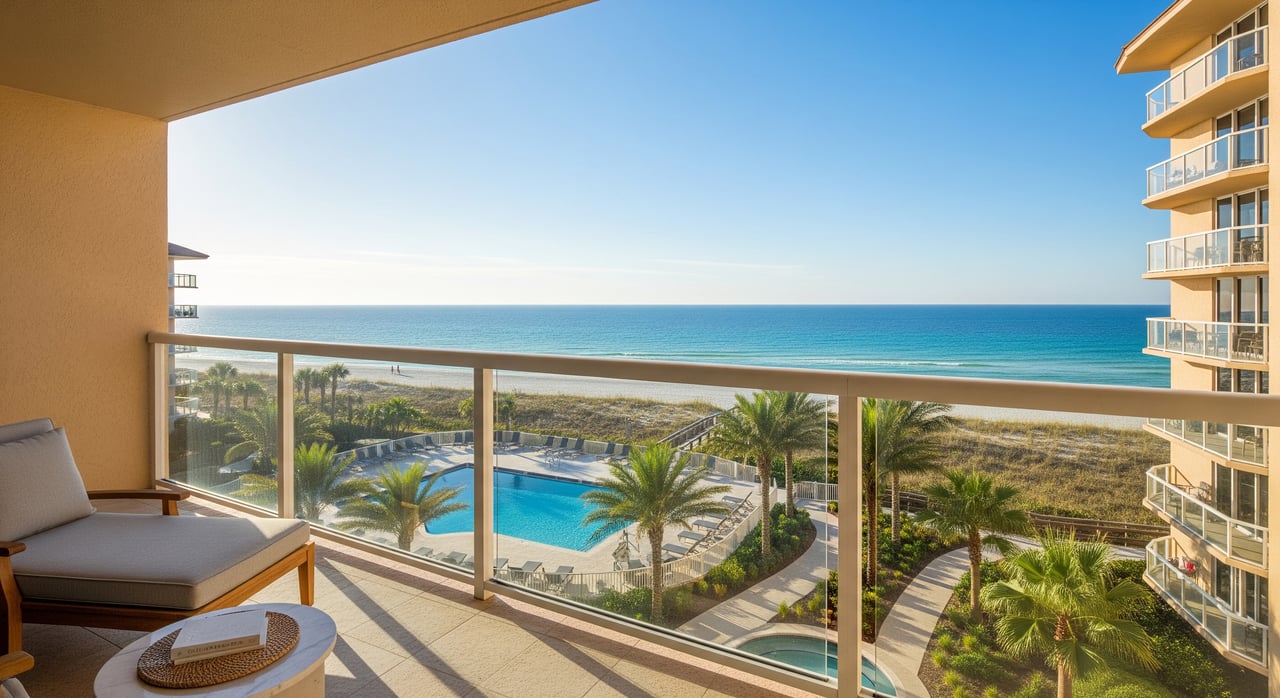
- Amenities: pool and spa, fitness room, tennis courts, clubhouse, beach access paths, and dune maintenance.
- Management and staffing: management company fees and on-site staff, if any.
- Common utilities: often water and sewer; sometimes basic cable, internet, or trash.
- Master insurance policy: coverage for common structures and association liability.
- Reserve contributions: future funding for big-ticket items like roofs, elevators, paving, and seawalls.
Items often excluded, or that remain your responsibility:
- Interior repairs and finishes inside the unit, plus your personal property.
- Unit owner insurance (HO-6) and flood insurance when required.
- Unit-specific systems if defined that way in the condo documents.
Why fees vary building to building
On Siesta Key, fees can differ widely. Key drivers include:
- Building age and construction type, which affect maintenance frequency and scope.
- Amenity level, such as elevators, fitness centers, or extensive beach access.
- The extent of insurance carried by the association versus owners.
- Size of units and how costs are allocated.
- Coastal exposure, which increases insurance premiums and accelerates exterior wear.
In short, a low-amenity older complex can have lower fees, while a beachfront building with full amenities, higher insurance, and frequent exterior care will usually cost more.
Insurance basics for coastal condos
Insurance is a major factor in coastal HOA budgets. Expect the master policy to insure the building’s common structures and provide liability coverage. Coverage boundaries vary, such as “bare walls” versus “single entity,” so always review the declarations page to understand what the association covers and what you must insure.
As an owner, you usually need an HO-6 policy for interior finishes, personal property, and loss assessment coverage. If the property is in a flood zone, flood insurance is typically separate. Wind and hurricane deductibles on coastal master policies can be high, and associations may allocate those deductibles to owners through assessments if a storm hits.
Reserves and special assessments
Reserves are the association’s savings for predictable, large replacements. Healthy reserves lower the odds of surprise assessments. Florida associations prepare annual budgets and commonly use reserve studies to estimate useful life and costs for items like roofs, elevators, pool resurfacing, and paving.
What to look for in reserve info:
- Current reserve balance and the annual reserve contribution.
- Date and findings of the most recent reserve study.
- Funding approach: fully funded, partially funded, or contributions waived.
Red flags include very low reserves for the building’s age, reserve studies older than 3 to 5 years, repeated votes to waive reserves, or a history of tapping reserves for day-to-day expenses.
Special assessments can occur after storms or when a major project exceeds savings. On Siesta Key, potential triggers include hurricane repairs, seawall or dune work, and large exterior rehabilitation projects. Ask for the history of assessments, recent insurance claims, and any projects under consideration.
How to read the budget and financials
A clear budget helps you forecast carrying costs and risk.
- Operating vs. reserves: Operating covers routine expenses. Reserves are earmarked for capital projects.
- Insurance line: Look for big year-over-year increases. This can signal future fee hikes or assessments.
- Utilities: Confirm whether water, sewer, internet, or trash are part of the fee.
- Legal and collections: Recurring high legal or collection costs can point to disputes or delinquency challenges.
- Delinquency rate: A higher rate increases the chance remaining owners will shoulder unpaid dues.
Documents to request before offering
Request these items early, ideally before you write an offer:
- Current year budget with year-to-date actuals.
- Most recent audited or compiled financials and recent bank statements.
- Reserve study and reserve account statements.
- Board and association meeting minutes for the past 12 to 24 months.
- Declaration, bylaws, rules and regulations, and maintenance responsibility chart.
- Master insurance policy declarations and summary of deductibles.
- Estoppel certificate for the unit, including any pending assessments or fees.
- Insurance claims history for recent years and a litigation summary.
- Management contract and major vendor contracts.
- Rental and lease rules, including any short-term limitations.
Rental rules and second-home needs
Short-term rental policies vary by association. Many second-home owners plan to rent seasonally, so confirm minimum lease terms, registration requirements, and any limits on frequency. Also check whether Sarasota County requires tax collection or registration for short-term rentals and how those obligations are handled.
Keep in mind that heavy rental activity or a high investor ratio can influence financing eligibility and insurance decisions. Make sure the association’s policies align with your plans and your lender’s requirements.
Buyer checklist for showings and diligence
Use these questions to focus your review:
- What is the current monthly fee and exactly what does it include?
- What is the reserve balance, when was the last reserve study, and what percent of recommended funding is in place?
- Have there been any special assessments in the last 5 to 10 years? Are any planned?
- What portion of the budget goes to insurance, and how have premiums changed recently?
- What does the master policy cover and what are the wind or hurricane deductibles?
- Is the property in a flood zone, and what are typical flood insurance costs for units?
- What is the current delinquency rate for assessments?
- Are short-term rentals allowed? What are the minimum lease terms and processes?
- Are there transfer, capital contribution, application, or estoppel fees? Who pays them?
- When were major components last replaced, such as the roof, elevator, or exterior paint?
Cost planning tips for second-home buyers
Budget the full picture so there are no surprises:
- Add monthly HOA fees plus your HO-6 policy and flood insurance if required.
- Keep a cushion for special assessments, especially after named storms.
- Request quotes early for unit owner insurance and flood coverage.
- If you are concerned about upcoming projects, consider negotiating seller credits or making the offer contingent on a satisfactory association review and estoppel showing no pending special assessments.
How The Francis Group helps
You deserve clear guidance and steady representation, especially when you live out of state or split time. Our team focuses on seasonal and second-home buyers and understands how Siesta Key associations operate. We help you request the right documents, interpret budgets and reserves, and coordinate with your lender and insurance contacts so you can buy with confidence.
If you want a seasoned, relationship-first advisor for Siesta Key condos, connect with The Francis Group. We bring cross-state expertise, clear communication, and a process built for second-home success.
FAQs
What do Siesta Key HOA fees typically include?
- Most fees cover exterior maintenance, common areas, amenities, management, some common utilities, master insurance, and reserves, with specifics defined in the association documents.
Why do HOA fees vary so much on Siesta Key?
- Differences in building age, amenities, size, insurance, and coastal exposure drive variation; beachfront properties often face higher insurance and exterior upkeep costs.
How can I spot special assessment risk before buying?
- Review reserve studies and balances, check meeting minutes for deferred projects, look for recent insurance claim history, and watch for repeated reserve waivers or low funding.
What is the master policy versus my HO-6 policy?
- The master policy insures common structures and association liability, while an HO-6 policy covers your interior finishes, personal property, and often loss assessments.
Do Siesta Key condos allow short-term rentals?
- Policies vary by association; confirm minimum lease terms, any registration steps, and local tax obligations before relying on rental income.
What is an estoppel certificate and why does it matter?
- It is an association statement for a specific unit that shows account status, fees, and pending assessments, helping you verify costs and avoid surprises at closing.